Plastic Surgery Blog

Blogs List
How to Prepare for an Upper Eyelid Lift (Blepharoplasty)
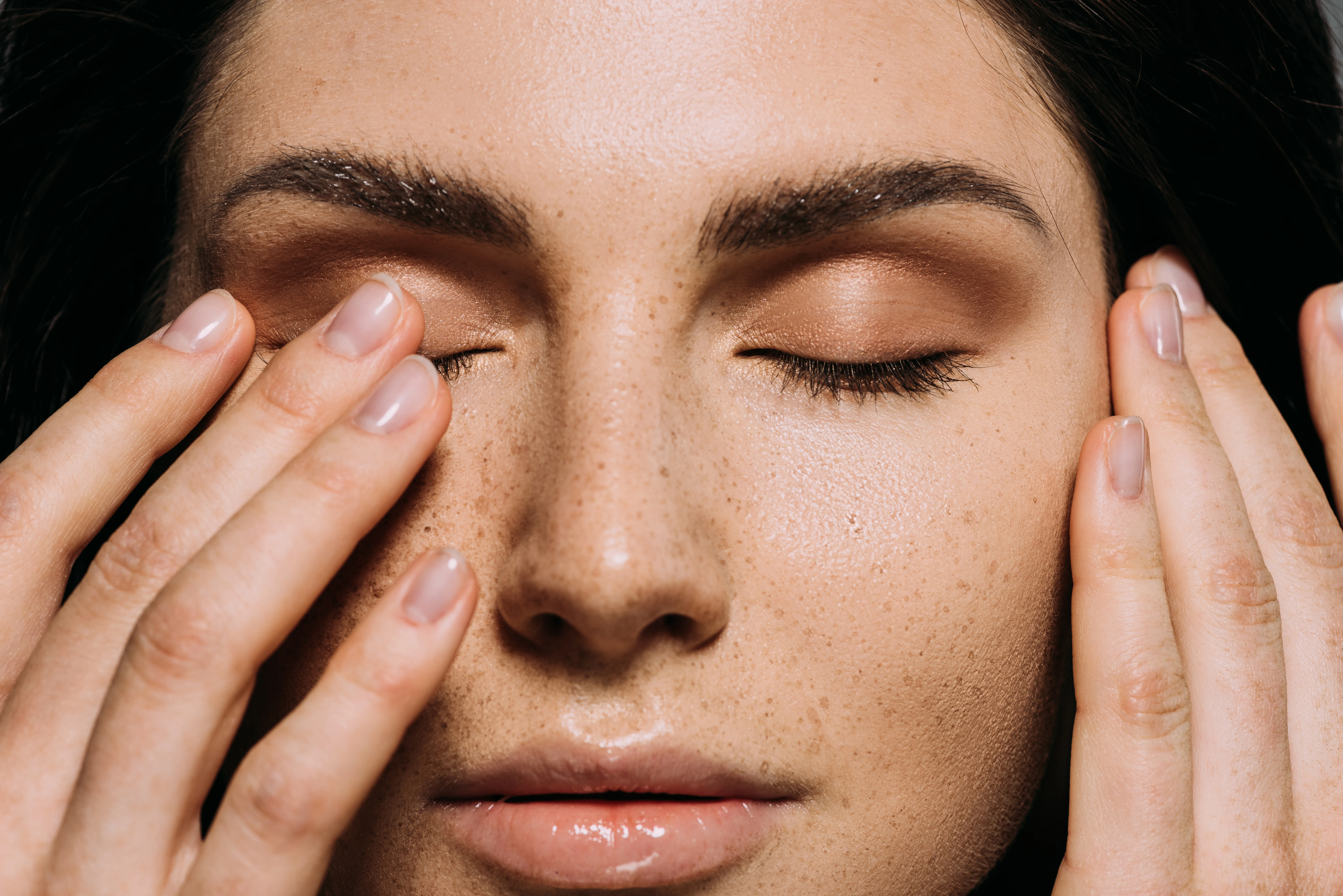
Preparing for upper eyelid blepharoplasty involves understanding candidacy, arranging a driver, removing false lashes, and planning for 1–2 weeks of bruising and swelling. Patients should delay upper lid makeup for about two weeks and contacts for 1–2 weeks depending on healing. Proper preparation leads to a smoother recovery and more predictable outcome.
What Is a Breast Auto-Augmentation?
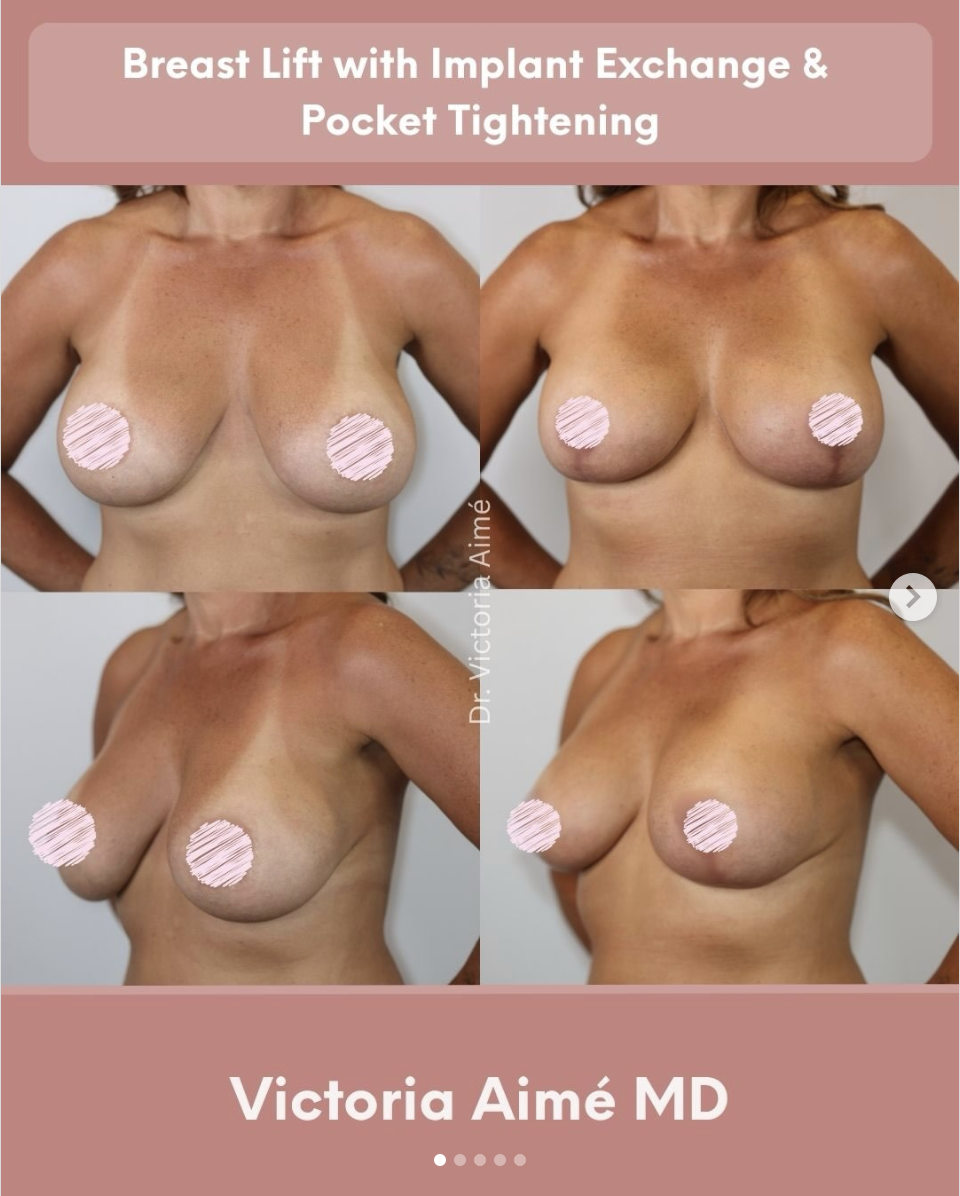
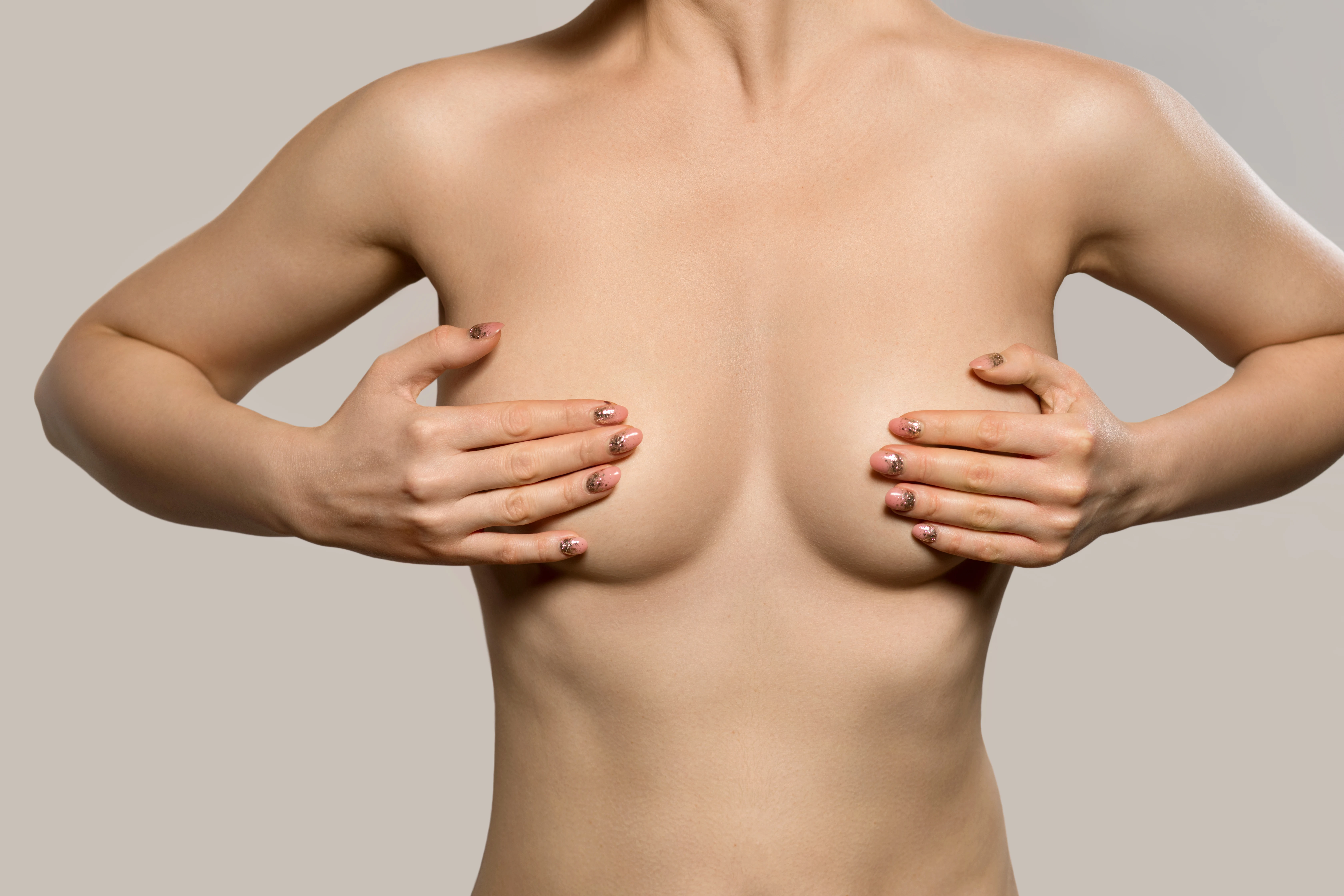
Breast auto-augmentation is an advanced breast lift technique that reshapes and repositions your own breast tissue to preserve volume and improve projection without adding an implant. It is designed for patients who want a lift while maintaining as much natural fullness as possible.

Do You Have Enough Fat for a Fat Transfer?
Many patients worry they don’t have enough fat for a fat transfer—especially if they’re naturally thin or very fit. In reality, fat transfer candidacy depends more on proportion, surgical planning, and treatment goals than body weight alone. This article explains how surgeons evaluate donor fat, common areas used for fat harvesting, and why even lean patients are often good candidates for fat grafting with the right approach and expectations.

Why I Do Every Surgery Three Times
Every surgery doesn’t begin or end in the operating room. This article explains why I approach each procedure in three stages: planning, execution, and reflection. That process supports thoughtful surgical planning, consistency, and continuous improvement.

How a Tummy Tuck Can Restore Core Strength
Many people think of a tummy tuck as a cosmetic procedure, but for some patients it can also improve how the core functions. Pregnancy can stretch and separate the abdominal muscles, making it difficult to regain strength, support the back, or engage the core effectively—even with exercise. By repairing diastasis recti and restoring the abdominal wall, a tummy tuck can improve core stability and posture. Studies show this structural repair may help reduce back strain and, in some postpartum patients, improve pelvic floor support and urinary control. While surgery does not replace exercise or physical therapy, it can correct the underlying anatomy so strengthening efforts finally work as intended.
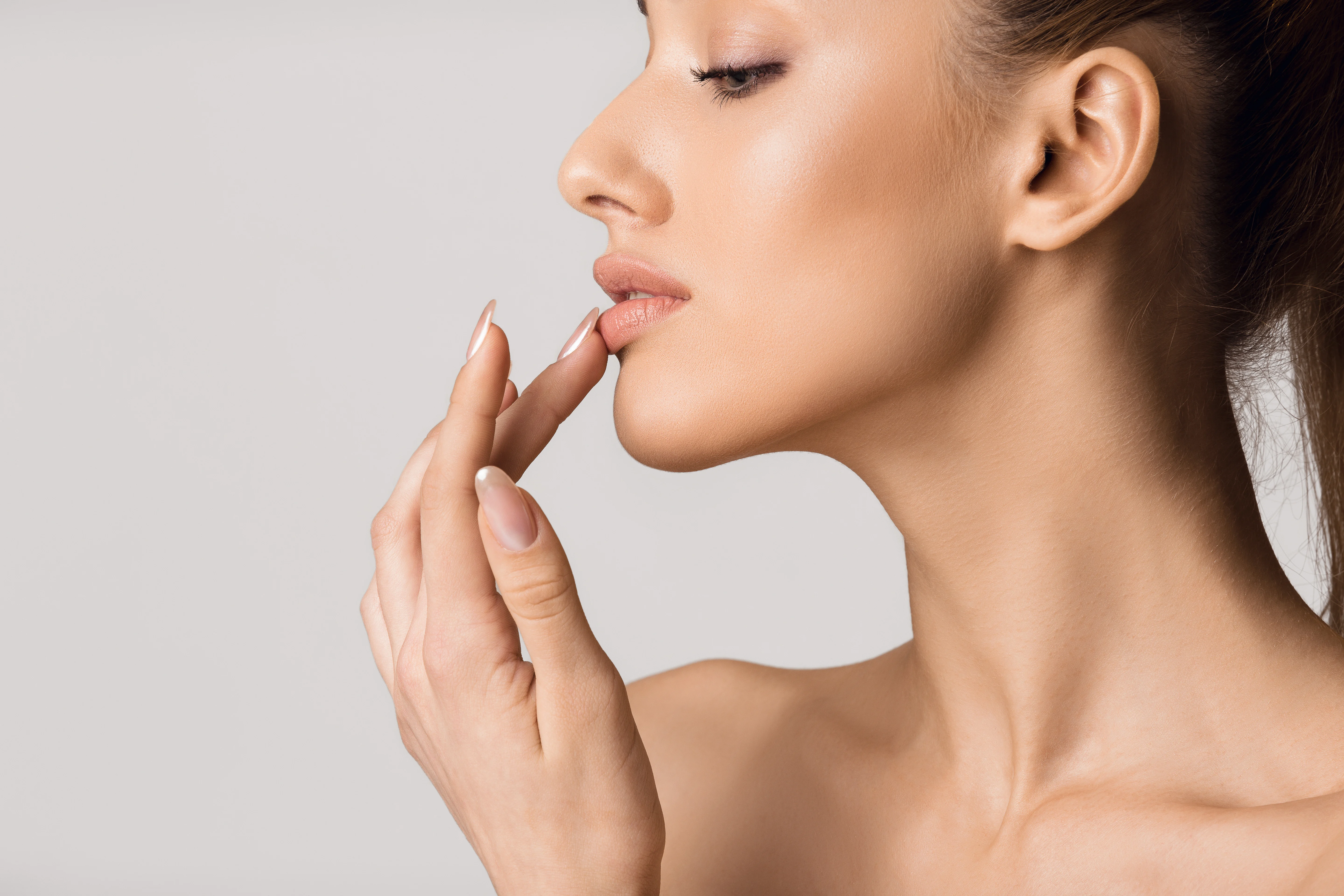
Hyaluronic Acid for Dry, Chapped Lips
Dry, chapped lips? Layer a few drops of hyaluronic acid serum under your lip balm to restore hydration and smoothness. This simple step helps your lips stay soft and moisturized, even in dry climates.

Who Actually Gets Plastic Surgery? (It Might Surprise You)
Most plastic surgery patients aren’t celebrities—they’re everyday people who simply want to feel confident and comfortable in their own skin. Discover why plastic surgery is less about vanity and more about empowerment.

What to Do If Your Saline Breast Implant Ruptures?
If your saline breast implant ruptures, you’ll notice right away. Learn why it happens, how common it is, and how long you have to replace it to maintain your results.

Pre-Surgery Carb Drinks: A Simple Way to Boost Recovery
Learn how pre-surgery carbohydrate drinks can improve your plastic surgery recovery by supporting hydration, reducing nausea, and stabilizing blood sugar — plus what to do if the standard drinks aren’t right for you.

Choosing the Best Breast Implant Plane for You: Subglandular, Subfascial, or Submuscular?
Choosing the right placement for your breast implants — above the muscle, under the fascia, or below the muscle — is one of the most important steps in breast augmentation. Each option has unique benefits, from recovery and appearance to exercise considerations and long-term risks. This guide explains the differences in plain language so you can feel confident making the choice that’s right for you.

Why I Wear UPF Clothing (and You Should Too)
UPF clothing is one of the easiest ways to protect your skin from UV damage—especially while driving or spending time near windows. Dr. Victoria Aimé shares how she uses UPF sleeves, gloves, and hats daily, and why this sun-smart habit is a must for long-term skin health.

Does Submuscular Breast Implant Placement Affect Pectoralis Muscle Function?
Curious how placing breast implants under the muscle affects chest strength? Dr. Victoria Aimé explains what happens to the pectoralis major during submuscular breast augmentation, what functional changes to expect, and who might notice the difference.
Ready to start your transformation?
Whether you’re just beginning to explore your options or have specific goals in mind, we’re here to guide you with expertise and compassion.

Our surgical and non-surgical treatment options
Follow us on socials
Stay connected and informed by following Dr. Aimé on social media. Her content focuses on real-world, practical education in plastic surgery—addressing common patient questions, breaking down new innovations and research, and offering honest insight into what to expect from both surgical and non-surgical procedures. You’ll also find highlights of patient journeys and results (with permission), helping demystify the process while keeping things educational, transparent, and engaging.