
Do You Have Enough Fat for a Fat Transfer?
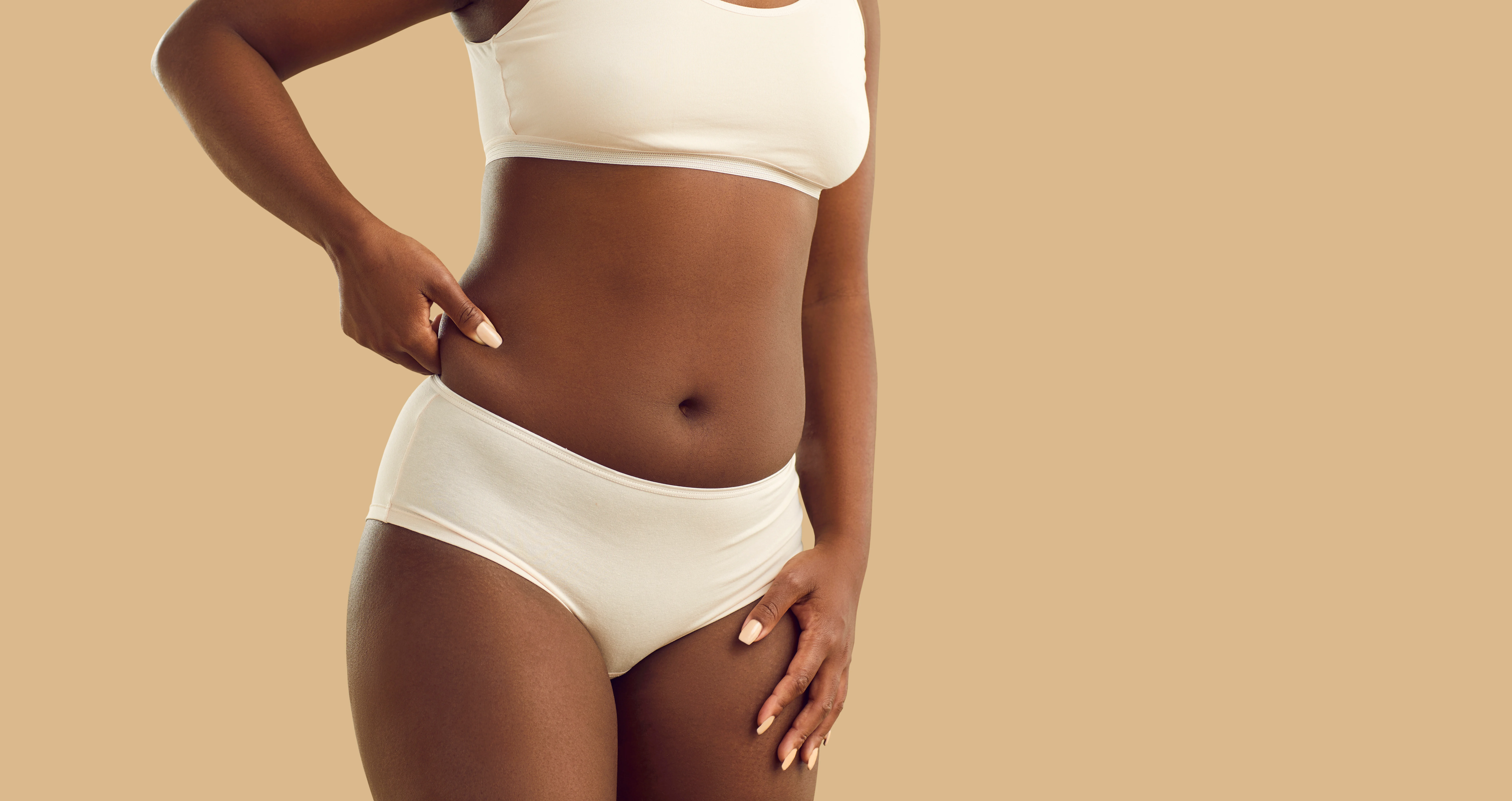
One of the most common questions I hear during consultations is: “Do I even have enough fat for a fat transfer?”
It’s an understandable concern—especially for patients who are naturally thin or very fit. The short answer surprises a lot of people:
In most cases, yes—you probably do.
Fat transfer is less about overall body weight and more about thoughtful surgical planning, realistic goals, and knowing where to look.
Fat Transfer Is About Proportion, Not Size
A common misconception is that only patients with significant excess fat are candidates for fat grafting. In reality, the amount of fat needed depends on what area is being treated and how much volume is desired.
Smaller patients typically:
- Have less fat available overall
- But also require less fat to achieve a natural-looking result
Whether the goal is breast fat transfer, hip dip correction, or subtle contouring, volume needs scale with body size. Fat transfer is about restoring balance—not creating an exaggerated result.
Where the Fat Usually Comes From
Even in very lean patients, fat often exists in predictable areas. The most common donor sites include:
- The waist or flank area
- Inner thighs
- Lower abdomen
These areas tend to hold fat even in patients who are otherwise quite toned. With careful evaluation, it’s often possible to harvest enough fat while also improving overall contour.
Yes, Thin Patients Can Still Be Candidates
I routinely perform fat transfer procedures on patients who weigh under 130 pounds—and occasionally even closer to 110 pounds. Some of these patients have visible abdominal definition and still have adequate donor fat for transfer.
The key is experience and technique. When fat transfer is done frequently in thinner patients, surgeons become skilled at identifying small but usable fat pockets and harvesting them safely and efficiently.
(Among colleagues, this is how I earned the nickname “the Fat Whisperer.”)
How Much Fat You Need Depends on Your Goals
Two factors matter most when determining candidacy:
- How much fat is available
- How much volume you want transferred
For example:
- Subtle breast fat transfer requires less fat than large-volume augmentation
- Filling hip dips may require less volume than a full BBL
- Treating more than one area increases total fat needs
If you're specifically considering fat grafting to the breasts, you can also learn more about what to expect during breast fat transfer recovery.
Patients who have experienced weight gain—even 20–30 pounds—often have more than enough fat for transfer to multiple areas.
Many Patients Are Candidates—With the Right Plan
While not every patient is a candidate for every type of fat transfer, patients are often surprised by how little donor fat may be needed for more modest treatment goals. Success comes down to:
- Realistic expectations
- Strategic donor site selection
- Surgeon experience
- Careful surgical planning
If you’re wondering whether you have enough fat, the best way to know is through an in-person consultation where your anatomy and goals can be evaluated together.
The Bottom Line
If you’ve been told you’re “too thin” for fat transfer—or assumed it yourself—it’s worth getting a second opinion. In many cases, the fat is there. It just needs to be found and used thoughtfully.
Fat transfer is as much an art as it is a science, and with the right approach, it can be an option for far more patients than most people expect.
If you're considering fat transfer and aren't sure whether you have enough donor fat, schedule a consultation for an individualized assessment of your anatomy, available donor areas, and treatment goals.
Victoria Aimé, MD
Board-Certified Plastic Surgeon
Metropolitan Plastic Surgery | Scottsdale, Arizona
Related Articles:
Recovery After Breast Fat Transfer: What You Should Know →
Our surgical and non-surgical treatment options
Ready to start your transformation?
Whether you’re just beginning to explore your options or have specific goals in mind, we’re here to guide you with expertise and compassion.

Read more articles

How Is the Belly Button “Remade” During a Tummy Tuck?
During a tummy tuck, the belly button is not recreated — it is repositioned. This article explains how the umbilicus is preserved, how its new position is determined, why surgical technique matters, and what to expect during healing.
Do You Have Enough Fat for a Fat Transfer?
Many patients worry they don’t have enough fat for a fat transfer—especially if they’re naturally thin or very fit. In reality, fat transfer candidacy depends more on proportion, surgical planning, and treatment goals than body weight alone. This article explains how surgeons evaluate donor fat, common areas used for fat harvesting, and why even lean patients are often good candidates for fat grafting with the right approach and expectations.

How a Tummy Tuck Can Restore Core Strength
Many people think of a tummy tuck as a cosmetic procedure, but for some patients it can also improve how the core functions. Pregnancy can stretch and separate the abdominal muscles, making it difficult to regain strength, support the back, or engage the core effectively—even with exercise. By repairing diastasis recti and restoring the abdominal wall, a tummy tuck can improve core stability and posture. Studies show this structural repair may help reduce back strain and, in some postpartum patients, improve pelvic floor support and urinary control. While surgery does not replace exercise or physical therapy, it can correct the underlying anatomy so strengthening efforts finally work as intended.

How to Prevent Pneumonia After a Tummy Tuck: Why I Give Every Patient an Incentive Spirometer
Pneumonia is a preventable but real risk after tummy tuck surgery. In this post, Dr. Victoria Aimé explains how and why she gives every patient an incentive spirometer to support healthy breathing and reduce complications during recovery.