
Non-Surgical Procedures
Refresh and enhance your natural beauty with our suite of non-surgical treatments, from precise Botox and filler applications to revitalizing skin treatments that help you look effortlessly radiant.

Our Procedures
Skincare
Personalized skincare in Scottsdale with Dr. Victoria Aimé focuses on selecting effective ingredients and treatments based on your skin, concerns, and goals, including over-the-counter, prescription, or compounded options when appropriate.
Neurotoxin (Botox & Dysport)
Botox and neurotoxin treatment in Scottsdale with Dr. Victoria Aimé temporarily reduces targeted muscle activity to soften expression lines and adjust the balance of muscle movement based on your anatomy and goals.
%20Large.jpeg)
Dermal Fillers (Juvéderm, Restylane)
Dermal filler treatment in Scottsdale with Dr. Victoria Aimé can add volume, improve facial contours, and address selected areas of volume loss based on your anatomy and goals.
Hand Rejuvenation
Hand rejuvenation in Scottsdale with Dr. Victoria Aimé can restore volume to the backs of the hands, helping soften the appearance of prominent veins, tendons, and bony contours.
Microneedling
Microneedling in Scottsdale with Dr. Victoria Aimé creates controlled micro-injuries in the skin to stimulate collagen remodeling and improve concerns such as texture, fine lines, and acne scars.
%20Large.jpeg)
Hair Restoration
Hair restoration in Scottsdale with Dr. Victoria Aimé uses non-surgical treatments selected according to your pattern of hair loss, scalp health, and goals to help preserve and improve thinning hair.
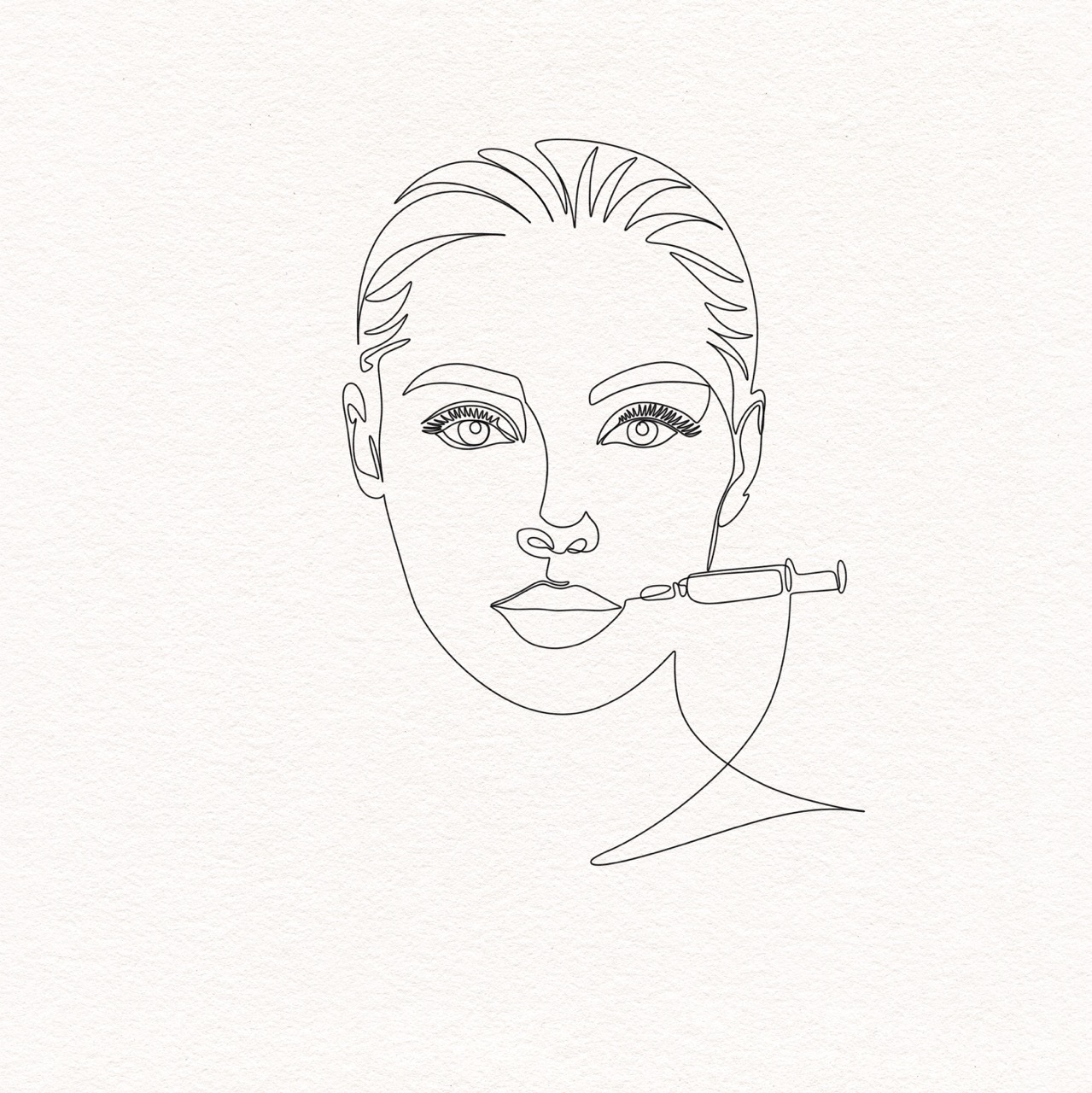
PRP, Growth Factors & Exosomes
PRP, growth factors, and exosome-based products may be incorporated into treatments such as microneedling or hair restoration based on your skin or scalp concerns and treatment goals.
"Dr. Aimé is fantastic. Very knowledgeable and helpful in helping me figure out my goals and how to achieve them. Would highly recommend her and her services."
Schedule a consultation with Dr. Aimé
Your journey starts with a conversation. Meet with Dr. Aimé to discuss your goals, ask questions, and create a personalized plan tailored to you.

Follow us on socials
Stay connected and informed by following Dr. Aimé on social media. Her content focuses on real-world, practical education in plastic surgery—addressing common patient questions, breaking down new innovations and research, and offering honest insight into what to expect from both surgical and non-surgical procedures. You’ll also find highlights of patient journeys and results (with permission), helping demystify the process while keeping things educational, transparent, and engaging.





Related Articles

How Is the Belly Button “Remade” During a Tummy Tuck?
During a tummy tuck, the belly button is not recreated — it is repositioned. This article explains how the umbilicus is preserved, how its new position is determined, why surgical technique matters, and what to expect during healing.

Do You Have Enough Fat for a Fat Transfer?
Many patients worry they don’t have enough fat for a fat transfer—especially if they’re naturally thin or very fit. In reality, fat transfer candidacy depends more on proportion, surgical planning, and treatment goals than body weight alone. This article explains how surgeons evaluate donor fat, common areas used for fat harvesting, and why even lean patients are often good candidates for fat grafting with the right approach and expectations.

How a Tummy Tuck Can Restore Core Strength
Many people think of a tummy tuck as a cosmetic procedure, but for some patients it can also improve how the core functions. Pregnancy can stretch and separate the abdominal muscles, making it difficult to regain strength, support the back, or engage the core effectively—even with exercise. By repairing diastasis recti and restoring the abdominal wall, a tummy tuck can improve core stability and posture. Studies show this structural repair may help reduce back strain and, in some postpartum patients, improve pelvic floor support and urinary control. While surgery does not replace exercise or physical therapy, it can correct the underlying anatomy so strengthening efforts finally work as intended.

How to Prevent Pneumonia After a Tummy Tuck: Why I Give Every Patient an Incentive Spirometer
Pneumonia is a preventable but real risk after tummy tuck surgery. In this post, Dr. Victoria Aimé explains how and why she gives every patient an incentive spirometer to support healthy breathing and reduce complications during recovery.