
How to Prepare for an Upper Eyelid Lift (Blepharoplasty)
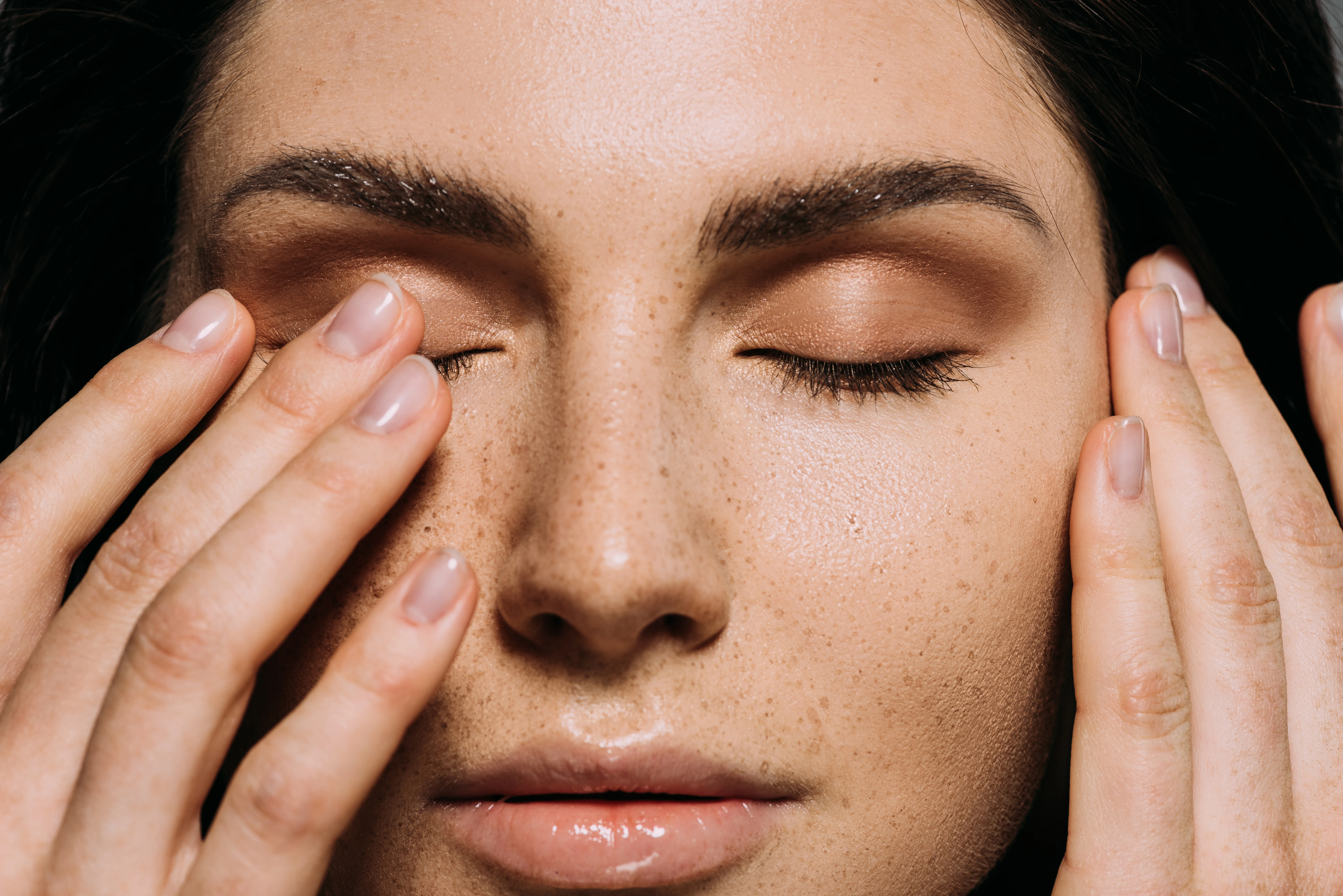
If you are considering an upper eyelid lift (upper blepharoplasty), preparation is straightforward — but important. Understanding what happens before and after surgery allows you to plan appropriately and avoid unnecessary anxiety during recovery.
At Metropolitan Plastic Surgery in Scottsdale, AZ, I walk every patient through these steps well in advance of their procedure.
Step 1: Confirm You Are a Good Candidate
During your consultation, your eyelids will be carefully measured and evaluated.
We assess:
- Amount of excess upper eyelid skin
- Eyelid position
- Brow position
- Eyelid symmetry
- Skin quality
- Overall facial balance
Not all heavy upper eyelids are treated the same way. In some patients, brow position contributes to the appearance of excess skin. Precise measurements help determine whether an upper blepharoplasty alone is appropriate or whether another approach, such as a brow lift, would produce a better result.
Step 2: Plan for Surgery Day
Upper blepharoplasty is typically performed as an outpatient procedure.
You will need someone to drive you home. Even when the procedure is performed under local anesthesia, medication may be given to reduce anxiety and keep you comfortable, so you should not plan to drive yourself home. Your vision may also be temporarily blurry, particularly if ointment is used to lubricate the eyes during the procedure.
Keep the day light and allow yourself to rest. Too much activity right after the procedure can increase risk of bleeding, bruising and swelling.
Step 3: Remove False Lashes in Advance
Many patients use false lashes to camouflage excess upper eyelid skin. I hear this often from my patients in consultation.
These must be removed before surgery. I recommend keeping them off for approximately 4–6 weeks after surgery.
False lashes increase infection risk and make surgical precision more difficult. Avoiding them allows proper healing and reduces complications. If you wear particularly thick or heavy lashes, I also recommend removing them for your consultation as well as they can weigh down your upper eyelid and make it appear that you have an eyelid muscle weakness (called ptosis), which can alter the surgical plan.
Step 4: Plan for Bruising and Swelling
Every patient experiences swelling and bruising. The degree varies, but it is not predictable. I do ask my patients if they bruise and swell easily as a general guide of what to expect and I also try to minimize bleeding during the procedure to reduce bruising afterwards.
However, you should plan to look visibly bruised and swollen for approximately 1–2 weeks.
Helpful measures include:
- Cool compresses (freezable gel eye masks come in handy here)
- Head elevation (including while sleeping)
- Limiting strenuous activity (maintain your heart rate and blood pressure within normal range)
- Arnica and bromelain (if desired)
- Pain medication as directed (such as acetaminophen or ibuprofen, when appropriate)
Even with optimal care, bruising is normal. It resolves. You may develop less than expected and if so that is wonderful. But if not, you can at least be prepared about what to expect.
Step 5: Navigating Social Situations
Patients often worry that everyone will notice their surgery (sutures, incision line, swelling, bruising).
In reality, most people are far less observant than you think.
Thick-rimmed glasses (even if they don't have a prescription lens in them) can effectively conceal incisions and sutures. Many patients attend meetings, conferences, work or social events within days without drawing attention.
Temporary changes in hairstyle or wearing glasses strategically can make recovery discreet. Concealer can also be worn on the lower eyelids and cheeks if needed to cover up bruising since this area is away from the incisions.
Step 6: Understanding Sutures
Upper eyelid incisions are closed with fine sutures.
If non-absorbable sutures are used, they are typically blue or black and visible until removal. This is normal. These sutures are usually removed at about 1 week after the procedure. Sometimes surgeons will use dissolvable sutures that fall out on their own.
Glasses help camouflage them during the first week.
Step 7: When Can You Wear Makeup Again?
- Lower eyelid makeup can be worn immediately, avoiding the incision.
- Upper eyelid makeup should wait until the incision is well healed — typically about 2 weeks.
Applying makeup too early can disrupt healing or introduce bacteria. Make sure to clean your make up brushes before using them after your procedure.
Step 8: When Can You Wear Contacts?
Most patients can resume contact lenses between 1–2 weeks after surgery, depending on healing.
When restarting contacts:
- Pull the lower lid down to insert the lens.
- Avoid stretching the upper eyelid upward in the early weeks.
This prevents tension on the healing incision, which could cause it to open.
What Upper Blepharoplasty Can and Cannot Do
An upper eyelid lift removes excess skin and can improve hooding, heaviness, and upper eyelid contour.
It does not:
- Change your eye shape
- Alter your identity
- Stop aging
- Correct significant brow descent (unless combined with brow surgery)
The goal is refinement and restoration — not dramatic transformation. Generally, patients look like a more rested, refreshed version of themself and I often hear that they wish that they had done the procedure sooner.
Final Thoughts
Upper blepharoplasty is a precise procedure with a predictable recovery when patients prepare properly.
Expect bruising. Expect swelling. Plan accordingly.
When preparation is thoughtful, recovery is smoother — and the result is a more rested, open appearance that still looks natural.
If you are considering upper eyelid surgery in Scottsdale, AZ, schedule a consultation with me to determine whether you are a candidate and to develop a plan tailored to your anatomy and goals.
Victoria Aimé, MD
Board-Certified Plastic Surgeon
Metropolitan Plastic Surgery | Scottsdale, Arizona
Related Articles:
Understanding Upper Eyelid Rejuvenation: What You Need to Know →
Our surgical and non-surgical treatment options
Ready to start your transformation?
Whether you’re just beginning to explore your options or have specific goals in mind, we’re here to guide you with expertise and compassion.

Read more articles
How to Prepare for an Upper Eyelid Lift (Blepharoplasty)
Preparing for upper eyelid blepharoplasty involves understanding candidacy, arranging a driver, removing false lashes, and planning for 1–2 weeks of bruising and swelling. Patients should delay upper lid makeup for about two weeks and contacts for 1–2 weeks depending on healing. Proper preparation leads to a smoother recovery and more predictable outcome.
5 Ways to Rejuvenate Your Earlobes and Restore a Youthful Look
Discover 5 simple and effective ways to rejuvenate aging or damaged earlobes—from dermal fillers and fat grafting to surgical repair and pixie ear correction. Subtle changes, big impact.
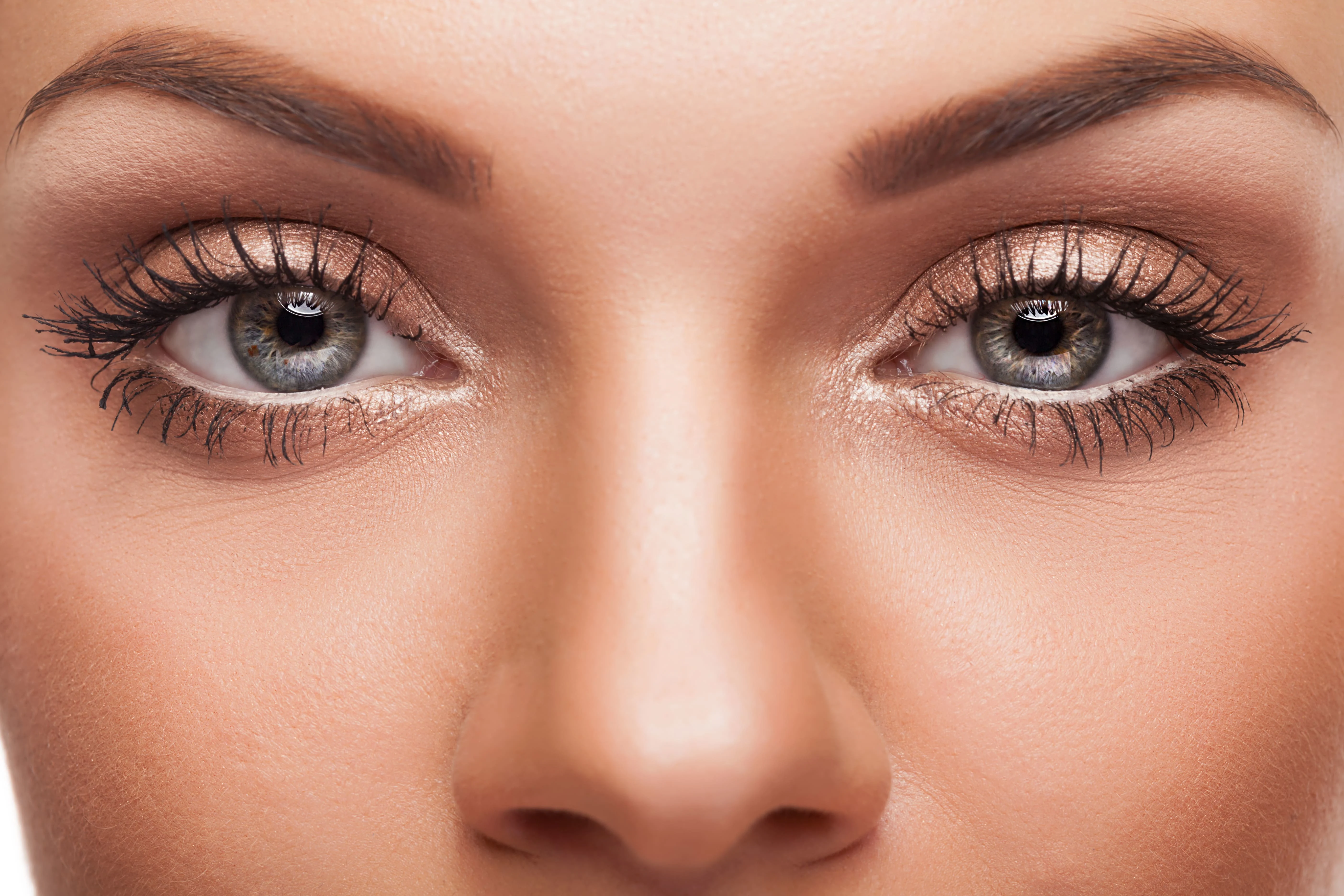
Understanding Upper Eyelid Rejuvenation: What You Need to Know
Upper eyelid rejuvenation is not one-size-fits-all. At Metropolitan Plastic Surgery, Dr. Victoria Aimé evaluates key features such as brow position, excess eyelid skin or fat, and eyelid muscle function (ptosis) to create a customized surgical plan. Whether it’s an upper blepharoplasty, brow lift, or ptosis repair, each procedure is tailored to restore a refreshed, natural appearance.