
Is Scarless Surgery Possible? Here’s the Truth.
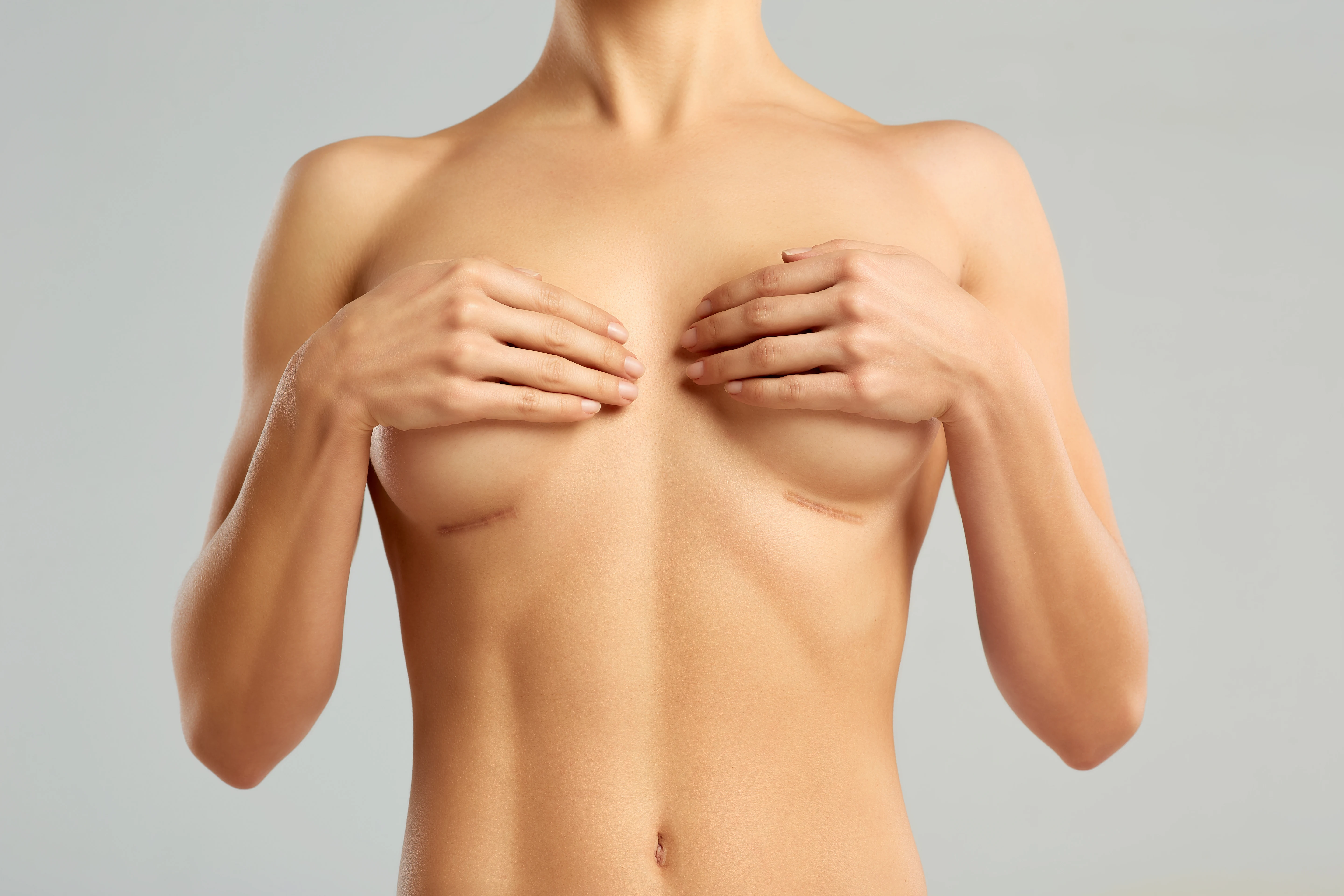
One of the most common questions patients ask during a surgical consultation is:
“Will I have scars?” or “Can this be done without scars?”
The direct answer: there is no such thing as scarless surgery.
Any time an incision is made, the body heals by forming a scar. That is a fundamental biologic response. Surgery cannot override it. What can be controlled is how that scar is created, positioned, closed, and managed afterward.
Why Scars Form
Scars do not form only in skin. They form in any tissue that is cut or injured, including:
- Skin
- Fat
- Muscle
- Fascia
- Internal organs
When tissue is disrupted, the body repairs the area by depositing collagen in a structured but imperfect pattern. That repair tissue is a scar.
Interestingly, there are two notable exceptions:
- Fetal healing before approximately 20 weeks gestation occurs without visible scar formation. The biology behind this phenomenon is not fully understood, and we do not yet know how to replicate this type of regenerative healing after birth.
- Older patients often heal with less noticeable scars. As collagen production and inflammatory responses decrease with age, scars may appear softer and less prominent compared to younger individuals.
For everyone else, scar formation is part of normal healing.
What Plastic Surgeons Do Differently
Plastic surgeons are specifically trained in techniques that influence scar quality.
Meticulous layered closure
Incisions are closed in multiple layers to reduce tension on the surface of the skin. Lower tension typically produces finer, thinner scars.
Strategic incision placement
Whenever possible, incisions are placed:
- Within natural creases
- Along relaxed skin tension lines
- Beneath clothing lines
- In anatomically discreet locations
Advanced scar management
Scar care does not start months later. In many cases, treatment can begin as soon as the incision is fully sealed — often as early as two weeks post-operatively, depending on the procedure and healing progress.
The exact timing depends on how the incision is healing, and different portions of the same incision may be ready at different times. Learn more about when to start scar care after plastic surgery.
Scar optimization strategies may include:
- Silicone gel or silicone sheets
- Gentle scar massage
- Strict sun protection for up to one year
- Laser or in-office treatments when appropriate
While biology cannot be eliminated, it can be guided.
Examples of Thoughtful Scar Placement
Upper Blepharoplasty (Upper Eyelid Lift)
With an upper blepharoplasty, the incision is carefully positioned within the natural upper eyelid crease, Once healed, it typically blends into that fold and becomes extremely difficult to detect.
Tummy Tuck (Abdominoplasty)
During a tummy tuck, the incision is positioned low on the abdomen whenever possible so that the resulting scar can typically be concealed beneath underwear or a swimsuit. The intention is concealment under clothing rather than the absence of a scar.
Every procedure requires its own incision strategy. The principle remains the same: scars are planned, not incidental.
How Scars Mature Over Time
Scars generally follow a predictable timeline:
- Early phase (0–6 weeks): Pink, sometimes firm or raised
- Remodeling phase (6 weeks–6 months): Gradual softening
- Maturation phase (6–12+ months): Fading and flattening
Final scar quality depends on genetics, skin type, tension, location, and aftercare.
The Reality: Improvement, Not Erasure
Scarless surgery is a myth. Scar optimization is not.
Well-executed surgical planning and closure can result in scars that are:
- Strategically hidden
- Thin and refined
- Significantly faded over time
- Rarely noticed by others
The goal is not to promise the absence of scars. It is to create incisions thoughtfully and manage healing responsibly.
If scarring is a concern, this should be part of your consultation discussion. Understanding incision placement, healing timelines, and early scar care allows for realistic expectations and better outcomes.
Individual anatomy and healing patterns vary. A personalized surgical plan allows for more precise guidance about what to expect in your specific case.
If you are considering surgery and want a clear, individualized discussion about incision placement and scar healing, schedule a consultation to review your options in detail.
Victoria Aimé, MD
Board-Certified Plastic Surgeon
Metropolitan Plastic Surgery | Scottsdale, Arizona
Related Articles:
When Can You Start Scar Care After Plastic Surgery? →
The Secret to Fading Scars After Surgery: Paper Tape →
How Plastic Surgeons Minimize Tension on Incisions to Create Better Scars →
Hypertrophic vs. Keloid Scars: What’s the Difference and How to Prevent Them →
Our surgical and non-surgical treatment options
Ready to start your transformation?
Whether you’re just beginning to explore your options or have specific goals in mind, we’re here to guide you with expertise and compassion.

Read more articles
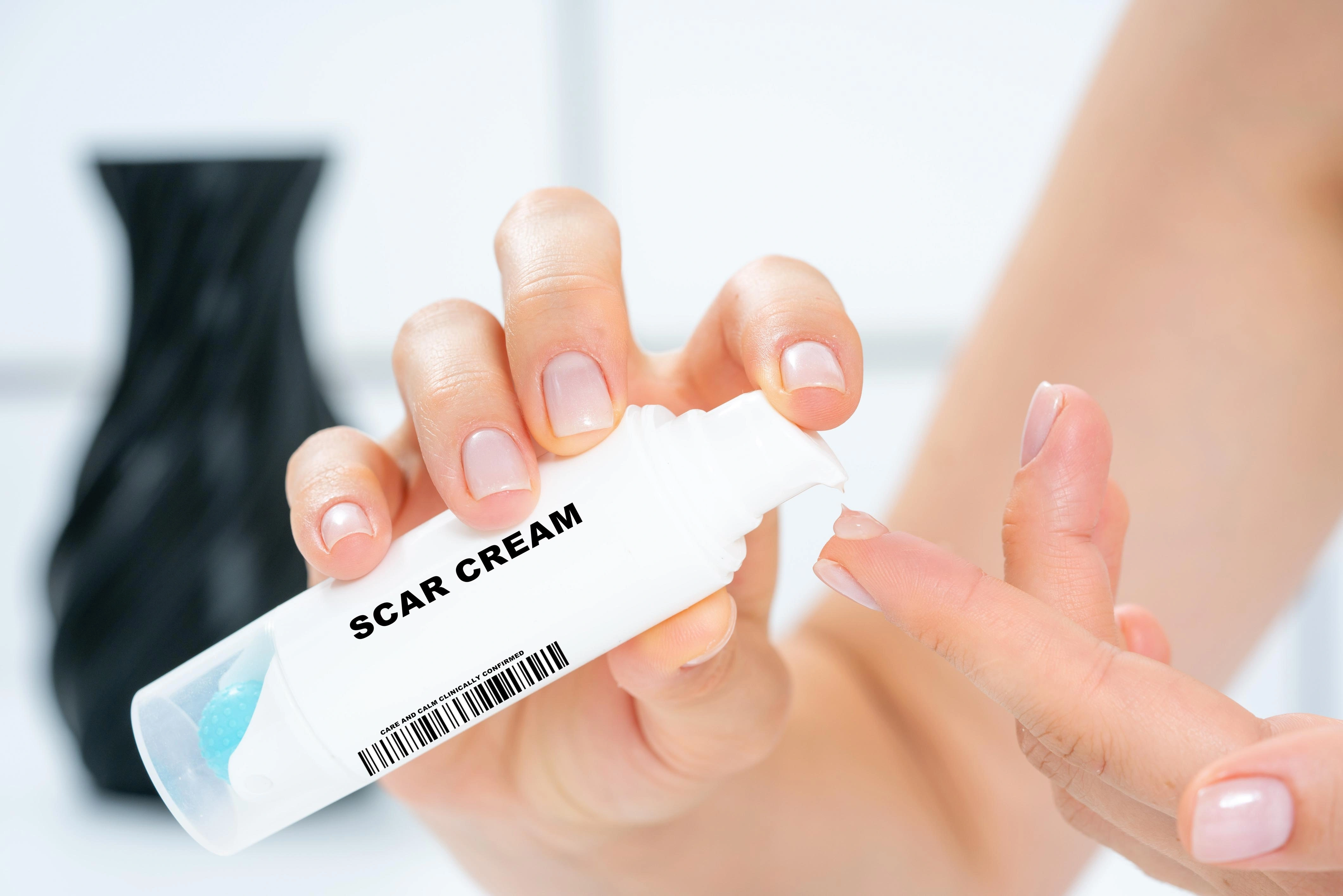
When Can You Start Scar Care After Plastic Surgery?
When can you start scar care after plastic surgery? There isn't one specific timeline. In this video, Dr. Victoria Aimé explains how to tell when an incision is ready for scar care, why some areas may be ready before others, and how silicone products and sun protection can help scars mature and fade.
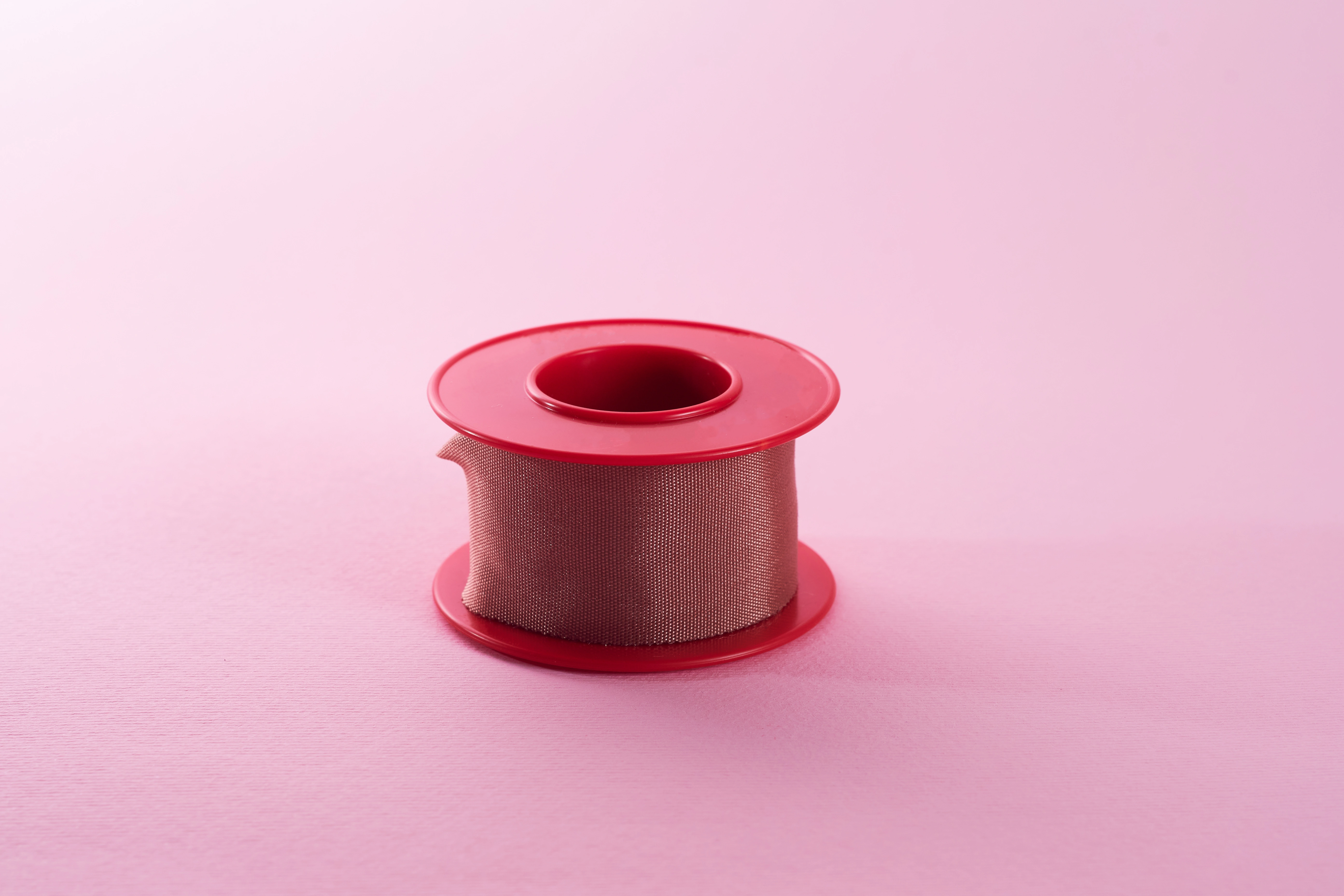
The Secret to Fading Scars After Surgery: Paper Tape
Scar care doesn’t have to be complicated or expensive. One of the most practical and effective options is simple paper tape (such as 3M Micropore). When used consistently, it can help support healing, reduce tension on the incision, and improve the overall appearance of scars over time.
Is Scarless Surgery Possible? Here’s the Truth.
Scarless surgery is a myth — any incision or tissue injury heals with a scar. However, strategic incision placement, meticulous closure, and early scar care can significantly improve how scars fade over time. This article explains how scars form, why fetal wounds heal differently, when scar care can begin, and what realistic healing looks like after cosmetic surgery.
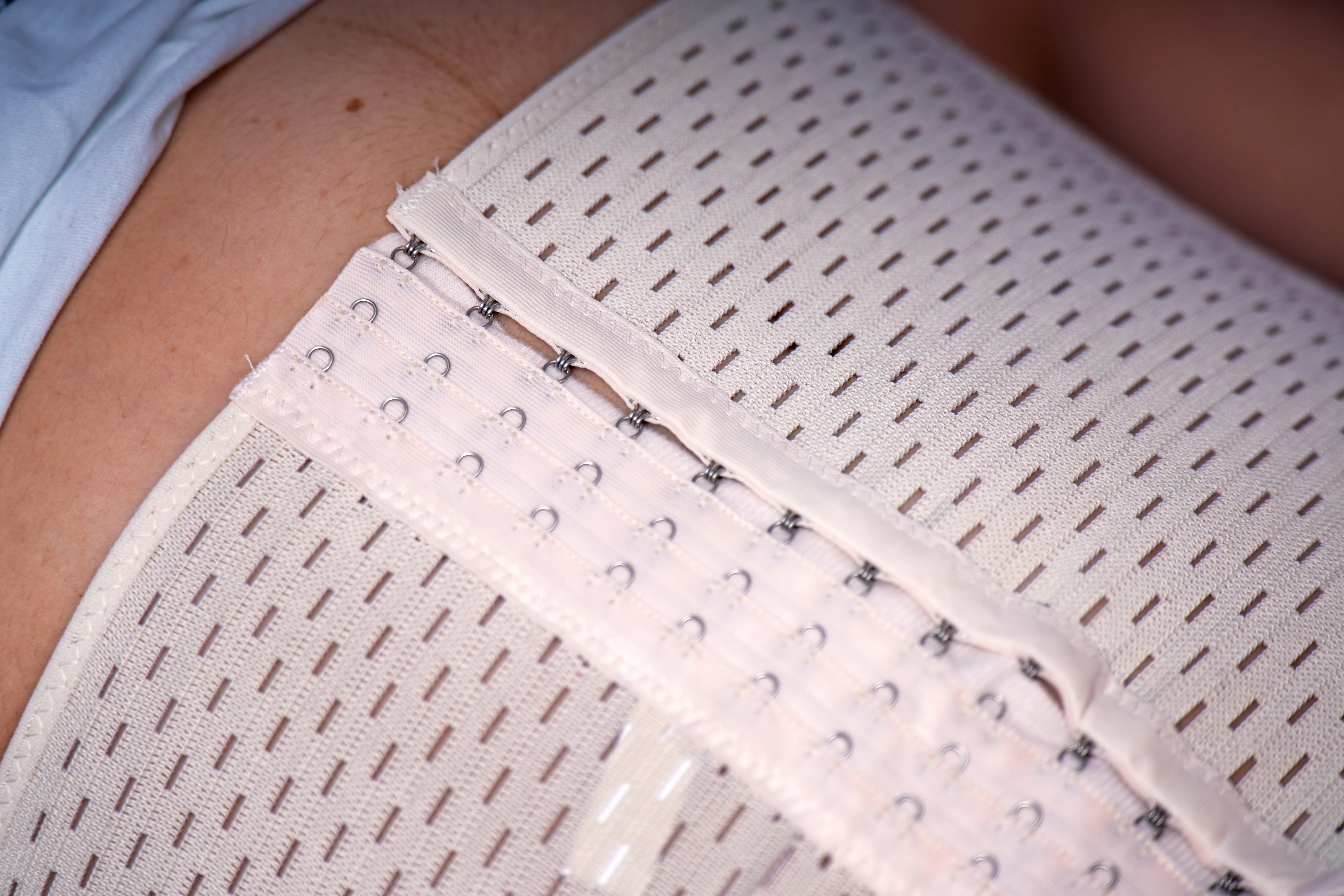
Do You Really Need to Wear a Post-Op Abdominal Binder or Compression Garment?
Wondering if you really need that post-op binder or compression garment? Learn what they actually do, the evidence behind them, how long to wear them, and how to choose one that fits your recovery needs and budget.