
The Secret to Fading Scars After Surgery: Paper Tape
How Visible Will My Scars Be After Surgery?
If you’re considering plastic surgery, it’s completely normal to wonder how visible your scars will be.
The answer is: it depends.
Scar appearance is influenced by:
- Genetics
- Skin type and pigmentation
- Incision location
- Tension on the wound
- Exposure to sunlight
- Smoking and nicotine use
- And how the scar is managed during healing
Scars take time to mature—typically 1 to 2 years—and how you care for them during that period matters.
Why I Recommend Paper Tape for Scar Care
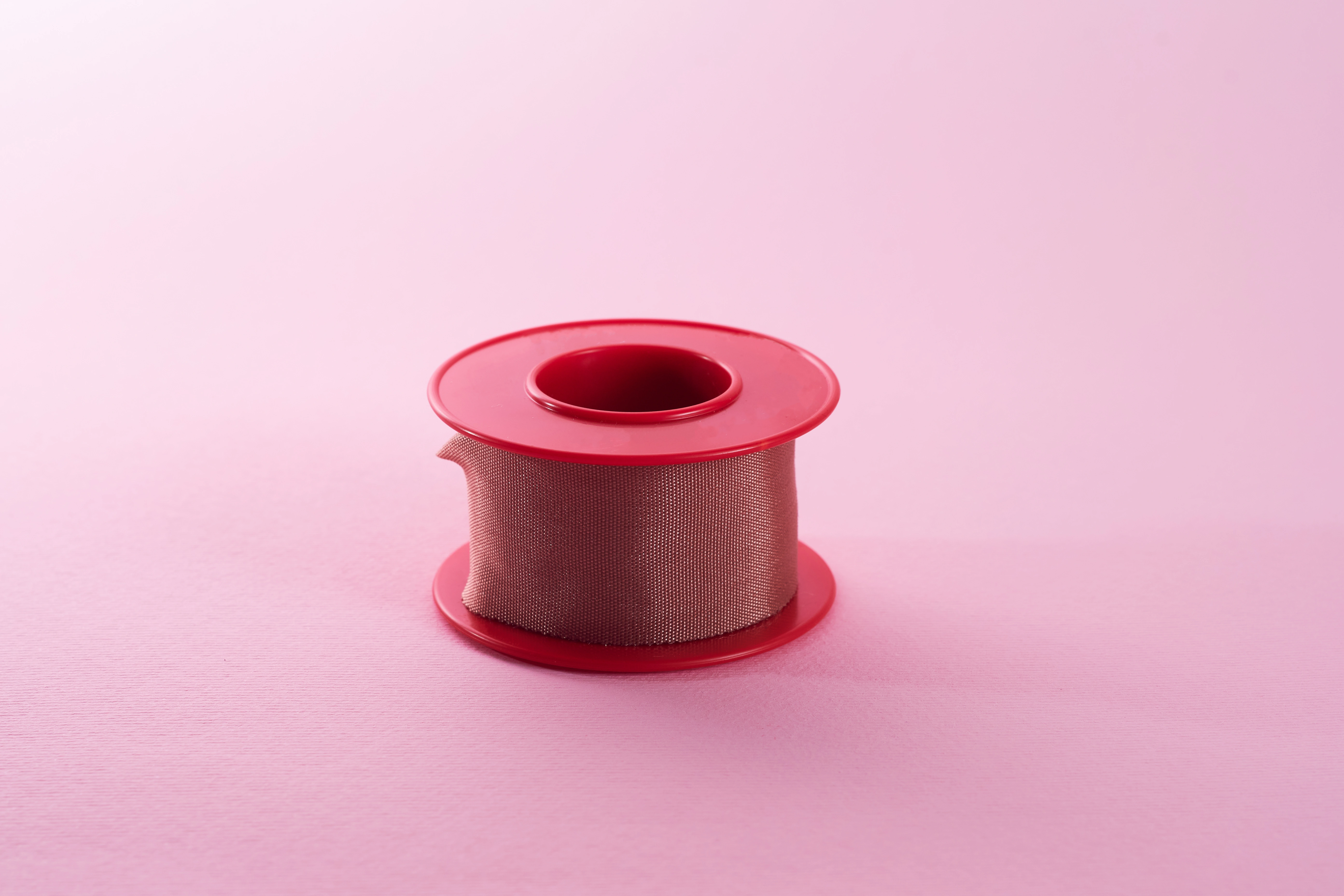
One of my preferred scar care treatments is paper tape, specifically 3M Micropore (I tend to prefer the beige color since it blends in better with the skin).
It’s simple, cost-effective, and supported by published medical literature.
Paper tape works similarly to silicone strips by:
- It helps reduce tension across the incision
- It creates a protected, stable environment for healing
- It helps lock in moisture at the skin surface
- It minimizes repetitive stress from daily movement
An added benefit is that it acts as a physical barrier against sun exposure, which can help reduce the risk of hyperpigmentation along the scar.
When to Start Using Paper Tape
Paper tape should only be applied once the incision is fully closed, healthy, and without signs of infection. For some patients, this may be around two weeks after surgery, while other incisions—or portions of an incision—may need more time to heal.
Learn more about when to start scar care after plastic surgery.
How to Use Micropore Tape on Scars
The process is straightforward:
- Apply the tape directly over the clean incision
- Leave it in place for 5–10 days, or until it begins to lift on its own
- Gently remove it, shower, and replace with a new piece
You can repeat this cycle consistently during the healing phase.
Can You Shower or Swim With It?
Yes.
- You can shower normally with the tape in place
- You can also swim, although it will likely loosen more quickly
If it lifts after swimming, simply remove it, cleanse the area, and reapply once the skin is dry.
What If You Have Sensitive Skin?
Some patients may need to ease into wearing it:
- Start with a few hours on the first day
- Gradually increase wear time as tolerated
While some patients can wear it continuously, others—especially those with sensitive skin—may experience irritation with prolonged use.
If you notice:
- Redness
- Itching
- Skin irritation
You may need to reduce wear time or take breaks. If your skin can't tolerate it, silicone strips may be a better bet for you.
How Long Should You Use It?
I typically recommend using paper tape for about 6 months, but patients can certainly continue longer if desired.
It’s important to remember:
- Scar maturation takes at least 1–2 years
- No single intervention guarantees a specific outcome
The goal is to support optimal healing during this process, not to eliminate the scar entirely.
Areas Where Tape May Be Difficult to Use
While paper tape works well for many incisions, there are some areas where it can be more challenging to apply:
- Around the belly button (due to its shape)
- Around the ears
- On delicate areas like the eyelids, nose or face
In these locations, alternative scar treatments (like silicone gel with SPF) may be more practical.
What If You’re Sensitive or Allergic to Adhesives?
If you have a known adhesive allergy or cannot tolerate tape, paper tape may not be a good option.
In those cases, I typically recommend:
- Silicone strips or sheets, which often do not rely on traditional adhesives. These can be reused by washing with normal dish soap repeatedly to help them stick to skin. And any brand will do.
Paper Tape vs. Silicone Strips
Both options can be effective.
Paper Tape (Micropore):
- Affordable
- Easy to use long-term
- Helps reduce mechanical tension
- Blends well (especially beige tape)
Silicone Strips:
- Provide hydration and occlusion
- Good alternative for adhesive sensitivity
Consistency and proper use matter more than the specific product.
The Takeaway
Scar healing is a long-term process, and simple interventions can make a meaningful difference.
Paper tape is:
- Accessible
- Low-maintenance
- Clinically supported
Used consistently, it can help scars heal in a more favorable way—while also protecting them from sun exposure and daily stress.
If you're currently healing from surgery, scar care should begin only when the incision is ready. Learn more about when to start scar care after plastic surgery, including what to do when one portion of an incision has healed while another area is still open.
Victoria Aimé, MD
Board-Certified Plastic Surgeon
Metropolitan Plastic Surgery | Scottsdale, Arizona
Related Articles:
Our surgical and non-surgical treatment options
Ready to start your transformation?
Whether you’re just beginning to explore your options or have specific goals in mind, we’re here to guide you with expertise and compassion.

Read more articles
When Can You Start Scar Care After Plastic Surgery?
When can you start scar care after plastic surgery? There isn't one specific timeline. In this video, Dr. Victoria Aimé explains how to tell when an incision is ready for scar care, why some areas may be ready before others, and how silicone products and sun protection can help scars mature and fade.
The Secret to Fading Scars After Surgery: Paper Tape
Scar care doesn’t have to be complicated or expensive. One of the most practical and effective options is simple paper tape (such as 3M Micropore). When used consistently, it can help support healing, reduce tension on the incision, and improve the overall appearance of scars over time.

Is Scarless Surgery Possible? Here’s the Truth.
Scarless surgery is a myth — any incision or tissue injury heals with a scar. However, strategic incision placement, meticulous closure, and early scar care can significantly improve how scars fade over time. This article explains how scars form, why fetal wounds heal differently, when scar care can begin, and what realistic healing looks like after cosmetic surgery.
Do You Really Need to Wear a Post-Op Abdominal Binder or Compression Garment?
Wondering if you really need that post-op binder or compression garment? Learn what they actually do, the evidence behind them, how long to wear them, and how to choose one that fits your recovery needs and budget.