Plastic Surgery Blog

Blogs List

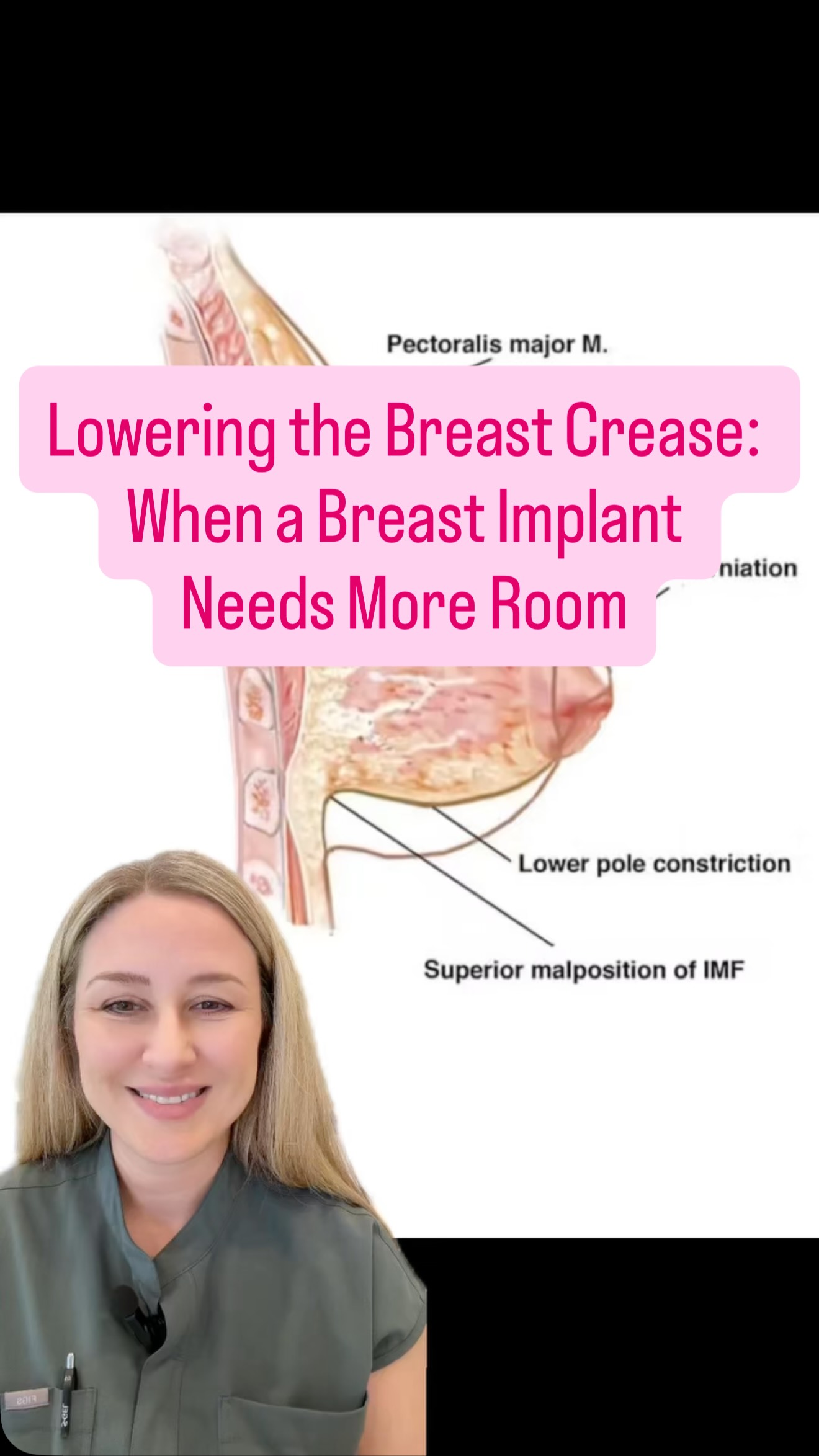
Why the Breast Crease Sometimes Needs to Be Lowered During Breast Augmentation
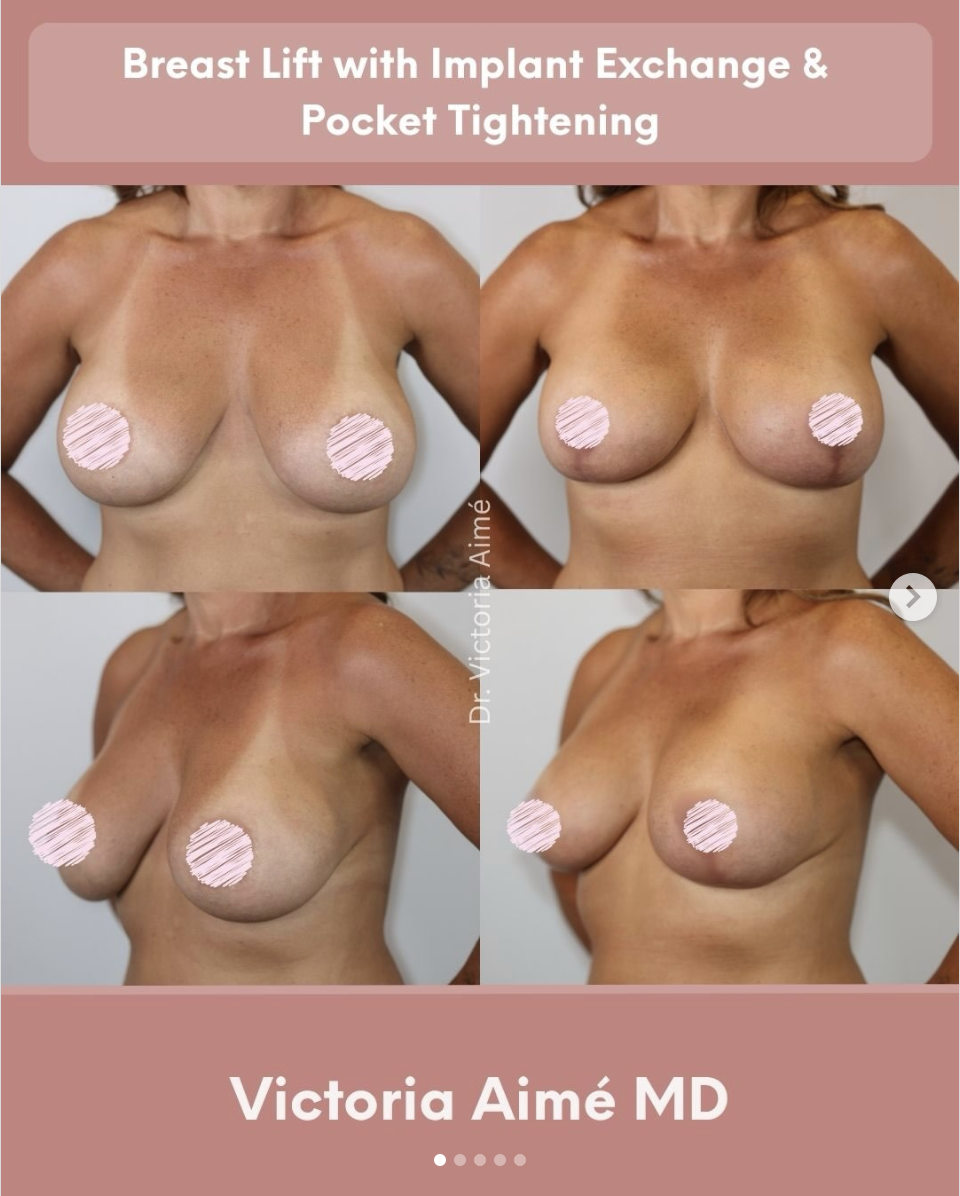
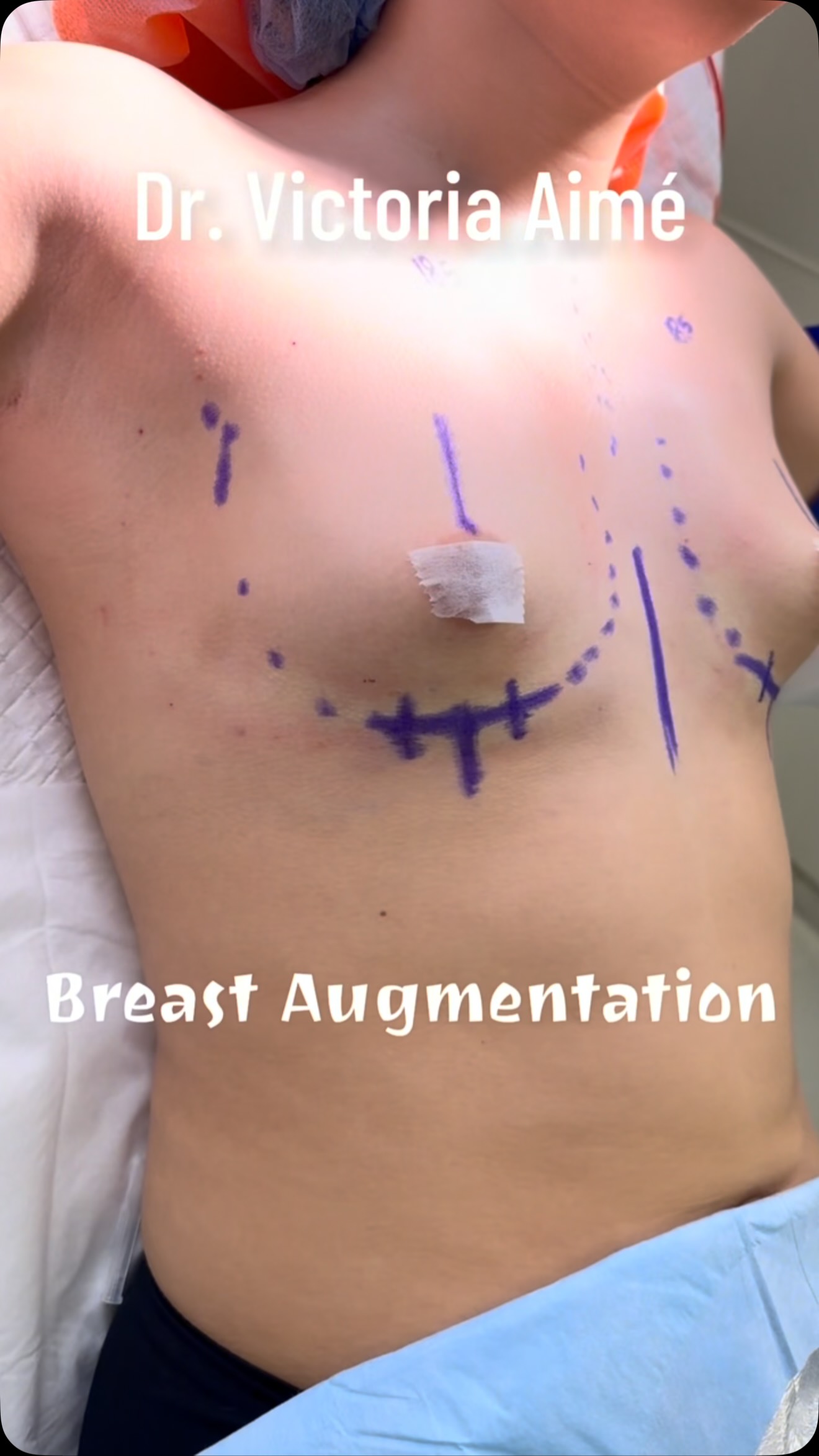
Breast augmentation planning involves more than choosing an implant size. Learn why a high or tight breast crease may need to be carefully lowered, how the new crease can be reinforced, and how this helps the implant sit in a more balanced position.

What Medications Are Used During an In-Office Plastic Surgery Procedure?
Learn how our Scottsdale plastic surgery practice uses medications to help prevent infection, reduce nausea, numb treatment areas, and manage discomfort during in-office procedures.

Why It Can Be Helpful to Have More Than One Plastic Surgery Consultation
Meeting with more than one plastic surgeon can help you better understand your anatomy, explore different treatment options and techniques, compare surgical estimates, and feel more informed when choosing your surgeon and surgical plan.
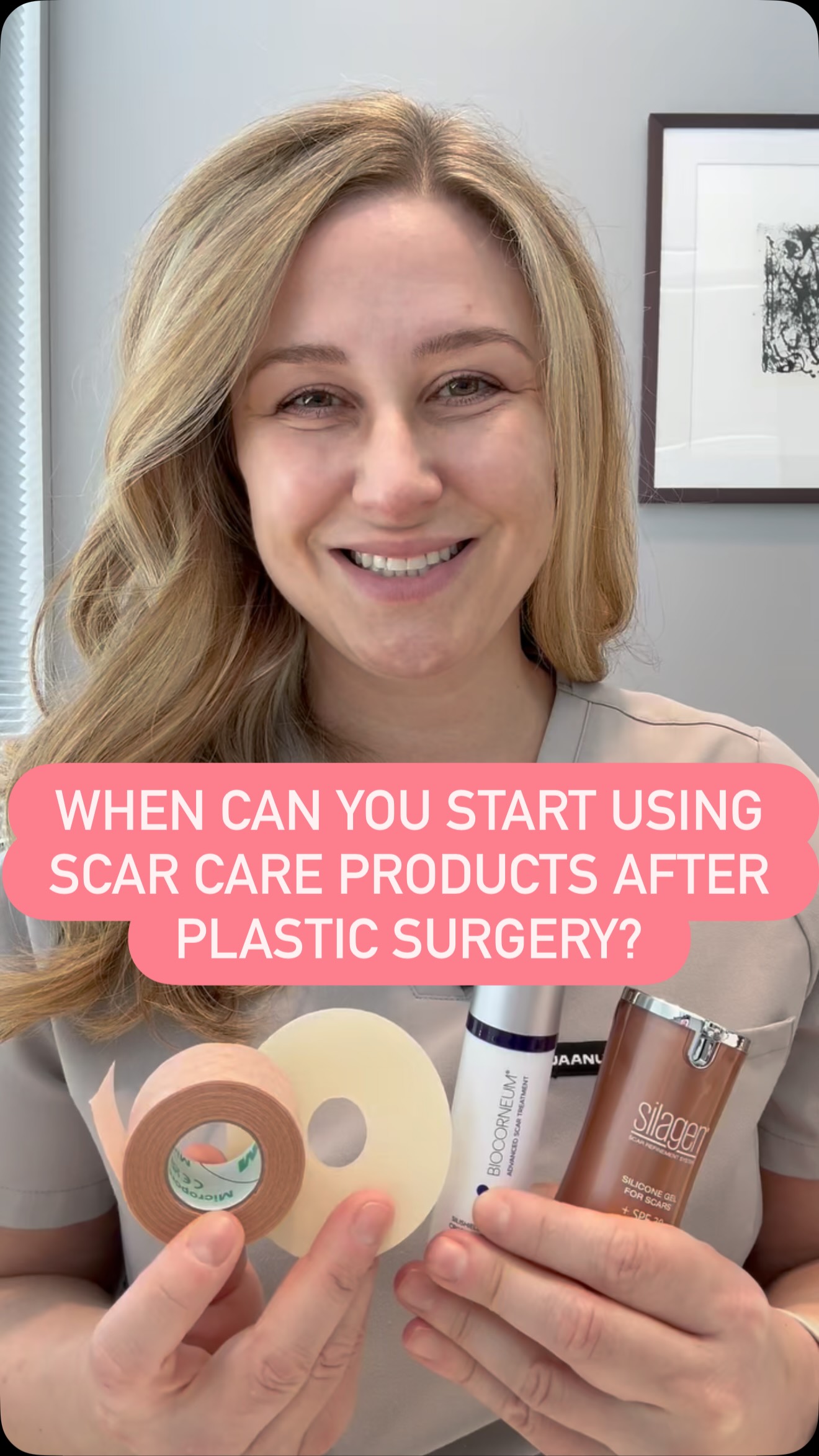
When Can You Start Scar Care After Plastic Surgery?
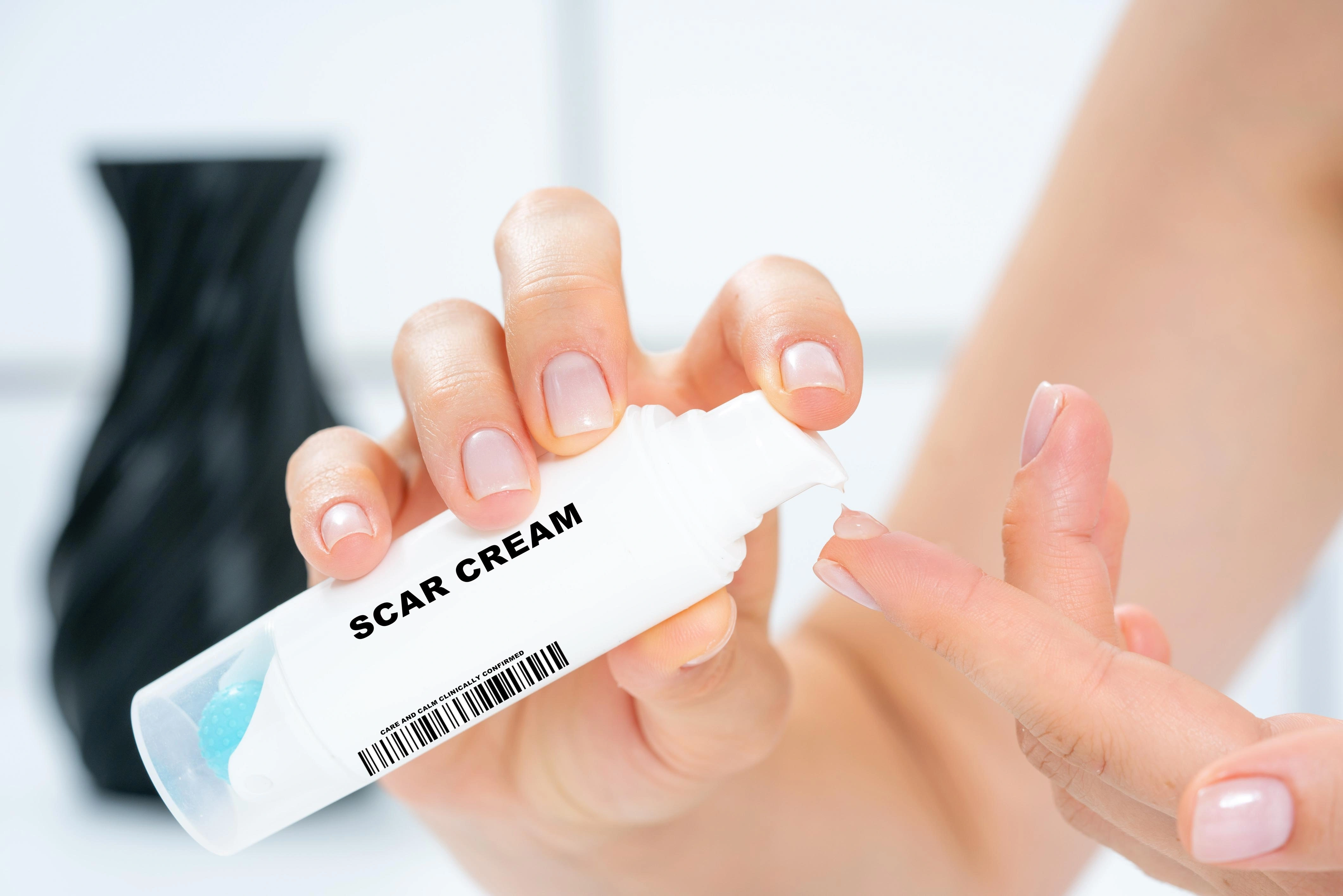
When can you start scar care after plastic surgery? There isn't one specific timeline. In this video, Dr. Victoria Aimé explains how to tell when an incision is ready for scar care, why some areas may be ready before others, and how silicone products and sun protection can help scars mature and fade.
Breast Lift With Implants: Why I Staple Before I Cut
How do I decide exactly how much skin to remove during a breast lift with implants? I use a technique called tailor tacking to temporarily staple the breast skin into its planned position before removing the excess. This allows me to preview the new breast shape, evaluate nipple position, symmetry, and tension, and make adjustments before committing to the final skin removal and closure.

Does Breast Implant Size Affect Price? What Actually Determines Cost
Breast implant size (ccs) and profile generally do not affect the cost of breast augmentation. Scottsdale plastic surgeon Dr. Victoria Aimé explains what actually determines implant pricing, including implant manufacturer, saline versus silicone, gel cohesivity, and fill level.

Motiva Preservé Breast Augmentation: What Patients Should Know Before Choosing This “New” Technique
Motiva Preservé breast augmentation is being marketed as a minimally invasive, tissue-preserving technique with faster recovery and better outcomes. While it introduces some thoughtful concepts—like preserving natural breast anatomy—it also comes with important limitations, including blind pocket dissection, restricted implant options, and limited long-term data. This article provides an honest, evidence-based breakdown to help patients understand whether this approach is truly beneficial or simply well-marketed.

My Favorite Made-Up Botox Rules
Most traditional Botox aftercare rules—like avoiding exercise, lying down, or alcohol—are not supported by strong evidence. Current research shows that normal daily activity does not negatively impact results. Instead, outcomes depend far more on injector technique, dosing, and product selection than on post-treatment restrictions.
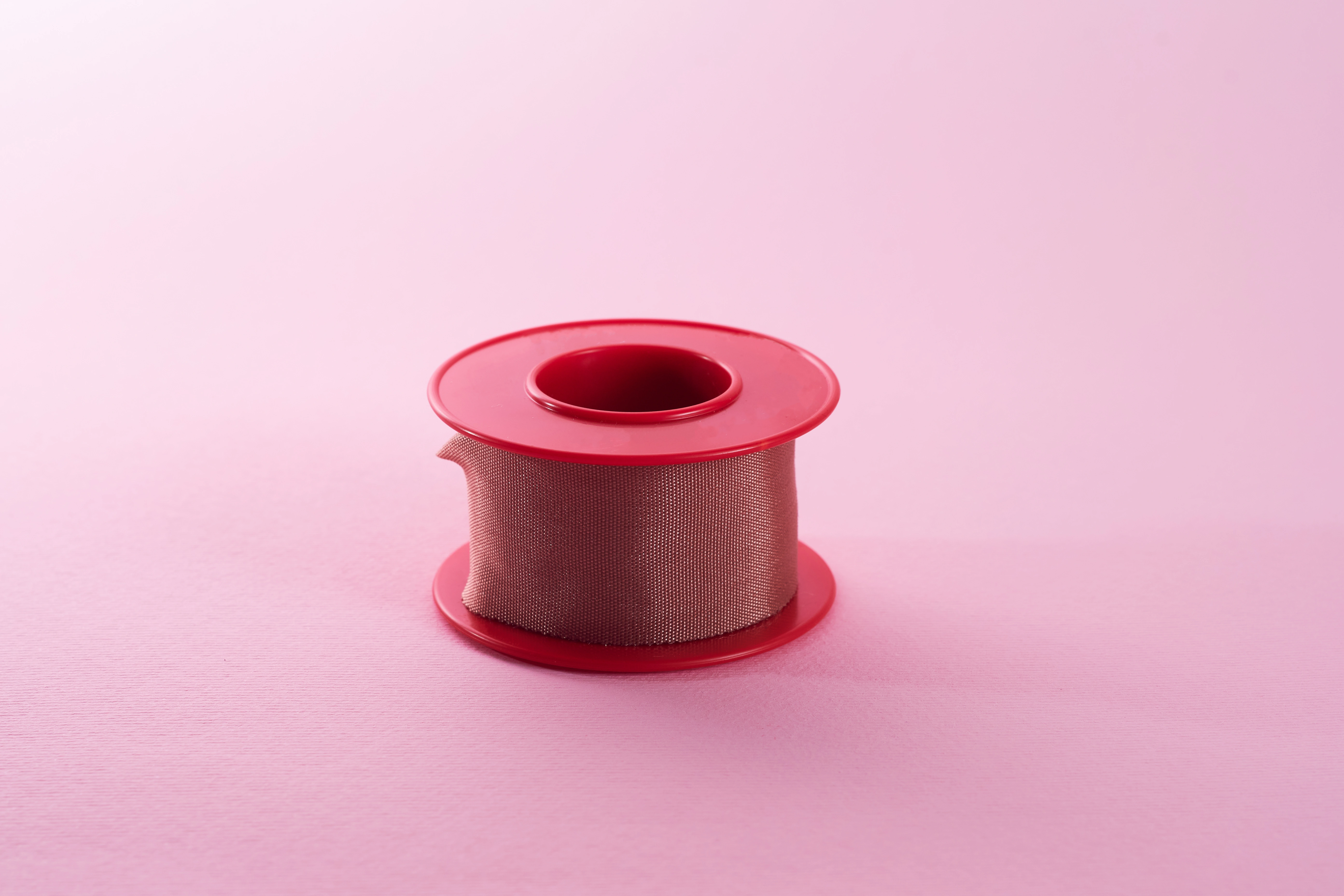
The Secret to Fading Scars After Surgery: Paper Tape
Scar care doesn’t have to be complicated or expensive. One of the most practical and effective options is simple paper tape (such as 3M Micropore). When used consistently, it can help support healing, reduce tension on the incision, and improve the overall appearance of scars over time.
.webp)
How Botox Works—and Why Exercise May Shorten Its Effects
Botox works by temporarily blocking communication between nerves and muscles, preventing muscle contraction and softening wrinkles. Over time, the body restores this connection by forming new nerve pathways. Research suggests that frequent, high-intensity exercise may accelerate this process, leading to a slightly shorter duration of Botox results.

Ballerina Boobs vs. Baywatch Boobs: What’s the New Trend in Breast Implants?
Breast augmentation trends are shifting. While fuller, dramatic “Baywatch” styles were once the standard, many patients today are choosing smaller, more natural-looking implants—often described as “ballerina” or “model off-duty” breasts. The right choice, however, is still highly personal and depends on your lifestyle, anatomy, and aesthetic goals.

How Is the Belly Button “Remade” During a Tummy Tuck?
During a tummy tuck, the belly button is not recreated — it is repositioned. This article explains how the umbilicus is preserved, how its new position is determined, why surgical technique matters, and what to expect during healing.
Ready to start your transformation?
Whether you’re just beginning to explore your options or have specific goals in mind, we’re here to guide you with expertise and compassion.

Our surgical and non-surgical treatment options
Follow us on socials
Stay connected and informed by following Dr. Aimé on social media. Her content focuses on real-world, practical education in plastic surgery—addressing common patient questions, breaking down new innovations and research, and offering honest insight into what to expect from both surgical and non-surgical procedures. You’ll also find highlights of patient journeys and results (with permission), helping demystify the process while keeping things educational, transparent, and engaging.