
When Can You Start Scar Care After Plastic Surgery?
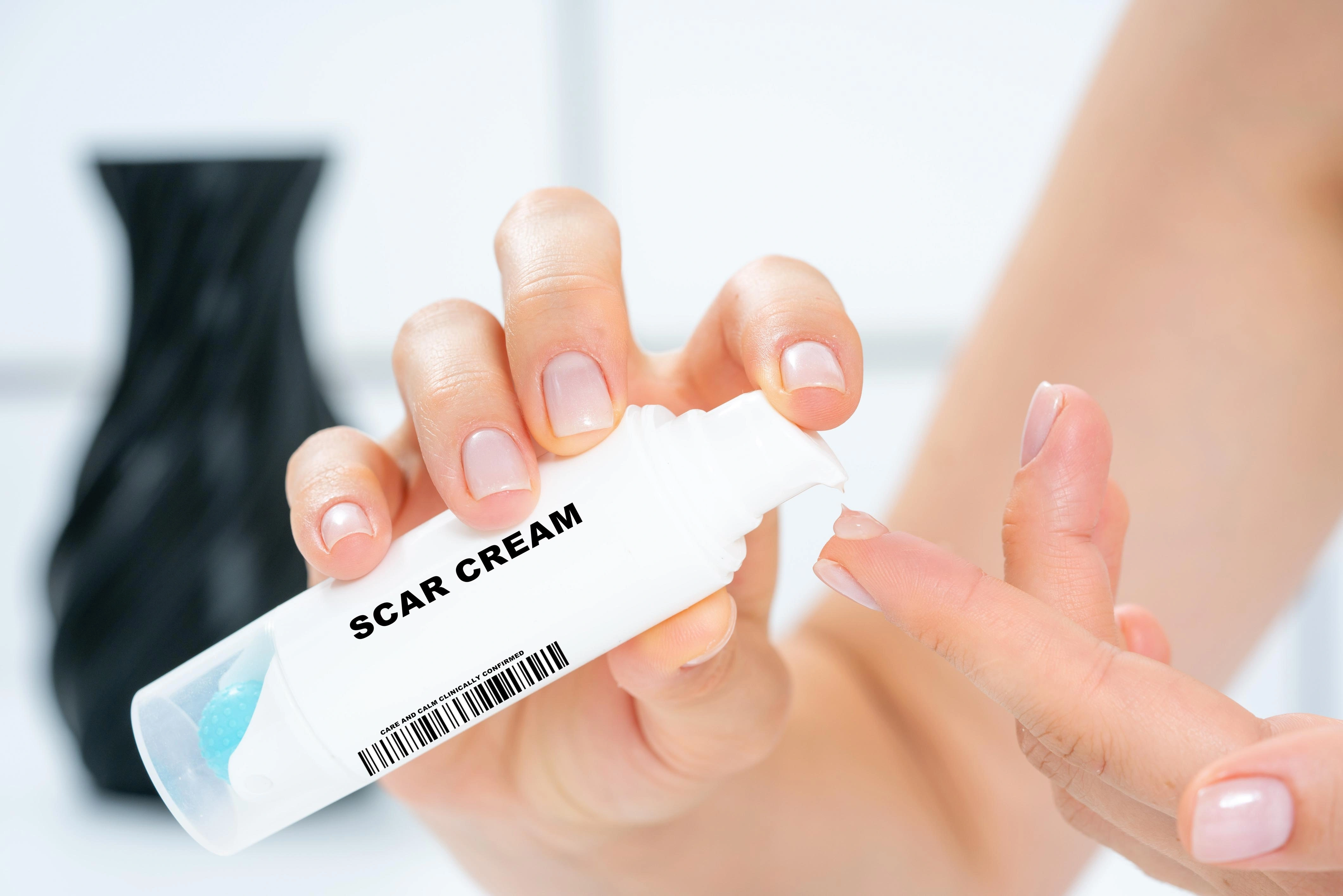
One of the most common questions patients have after plastic surgery is, “When can I start using scar care?”
The answer is not necessarily a specific number of days or weeks after surgery. Instead, the right time to begin scar treatment depends on how your incision is healing.
In general, scar care products should only be used on areas of an incision that are completely closed and healing well, without open areas, drainage, or signs of infection. For some patients, this may be as early as two weeks after surgery. For many of my patients, however, I recommend waiting until around four weeks after surgery, and sometimes longer depending on how the incisions are healing.
Why Does the Timing of Scar Care Vary?
Every incision heals at a slightly different rate. Healing can vary based on the procedure performed, the location of the incision, tension on the incision, your individual biology, and whether there have been any delays in wound healing.
This is why I don't recommend choosing a date on the calendar and automatically starting scar products at that time. Instead, I look at how the incision itself is healing.
Before applying scar care to an area, that portion of the incision should generally be:
- Completely closed
- Free of open or raw areas
- Without drainage
- Without signs of infection
- Healing appropriately overall
It is also common for different parts of the same incision to heal at different rates. For example, the central portion of a tummy tuck incision or the T-junctions of a breast lift incision may take longer to heal than the surrounding areas.
In these situations, you don't necessarily have to wait until every part of the incision has healed to begin scar care. I typically recommend applying the scar care product only to the portions that are completely closed and avoiding any areas that are still open or healing. Scar care can then be extended to those areas once they have fully closed.
What Does Scar Care Actually Do?
Once an incision has healed enough to begin treatment, scar care can help improve how the scar matures over time.
Silicone is one of the most commonly used materials for postoperative scar management and is available in several forms, including silicone gel and silicone tape or sheets. Silicone products can help scars become flatter and softer as they mature.
One advantage of silicone tape or sheets is that they can be cut to fit the size and shape of your scar. Many are also reusable. If the silicone begins to lose its stickiness, it can often be gently washed with dish soap and water, allowed to air dry, and then reapplied. Always follow the instructions for the specific product you are using.
Scar maturation is a gradual process. A new surgical scar often looks pink, red, or darker than the surrounding skin and may initially feel firm or raised. Over the following months, scars typically soften, flatten, and fade.
Scar care can help support that process, but no product can make a surgical scar disappear completely.
Don't Forget About Sun Protection
Protecting a new scar from the sun is also an important part of scar care.
UV exposure can contribute to hyperpigmentation, causing a healing scar to become darker and potentially making the discoloration more noticeable. This is particularly important during the early stages of scar maturation.
Depending on the location of the incision, protection may include sunscreen, clothing, or a physical barrier such as silicone tape. Some scar care products also contain sunscreen, which can be helpful for scars in areas that are regularly exposed.
Remember that many plastic surgery scars are located underneath swimsuits or clothing most of the time, but may become exposed during activities such as swimming or exercise.
So, When Should You Start?
The earliest I typically consider starting scar care is around two weeks after surgery, provided the area being treated is completely closed and healing appropriately. For many patients, I recommend beginning closer to four weeks after surgery. If wound healing has been slower, it may be appropriate to wait even longer.
The important point is that the condition of the incision matters more than the exact number of weeks since surgery.
And if one portion of an incision is taking longer to heal, that doesn't necessarily prevent you from treating the portions that are already closed. Simply avoid applying scar products over areas that are still open or healing until those areas have fully closed.
Before applying silicone tape, scar gel, or other products to a surgical incision, check with your plastic surgeon. Your surgeon can evaluate how your incision is healing and may have specific recommendations based on your procedure, your skin, and your individual recovery.
Scar care is only one part of achieving the best scar possible. Appropriate wound care, avoiding nicotine, protecting the incision from excessive tension, following postoperative activity restrictions, and protecting the scar from the sun can all play a role in how a surgical scar ultimately heals.
Learn More: Why Nicotine Can Affect Healing After Plastic Surgery →
Learn More: Hypertrophic vs. Keloid Scars: What’s the Difference and How to Prevent Them →
Learn More: When Does Swelling Peak After Surgery or Aesthetic Treatment? →
Our surgical and non-surgical treatment options
Ready to start your transformation?
Whether you’re just beginning to explore your options or have specific goals in mind, we’re here to guide you with expertise and compassion.

Read more articles
When Can You Start Scar Care After Plastic Surgery?
When can you start scar care after plastic surgery? There isn't one specific timeline. In this video, Dr. Victoria Aimé explains how to tell when an incision is ready for scar care, why some areas may be ready before others, and how silicone products and sun protection can help scars mature and fade.
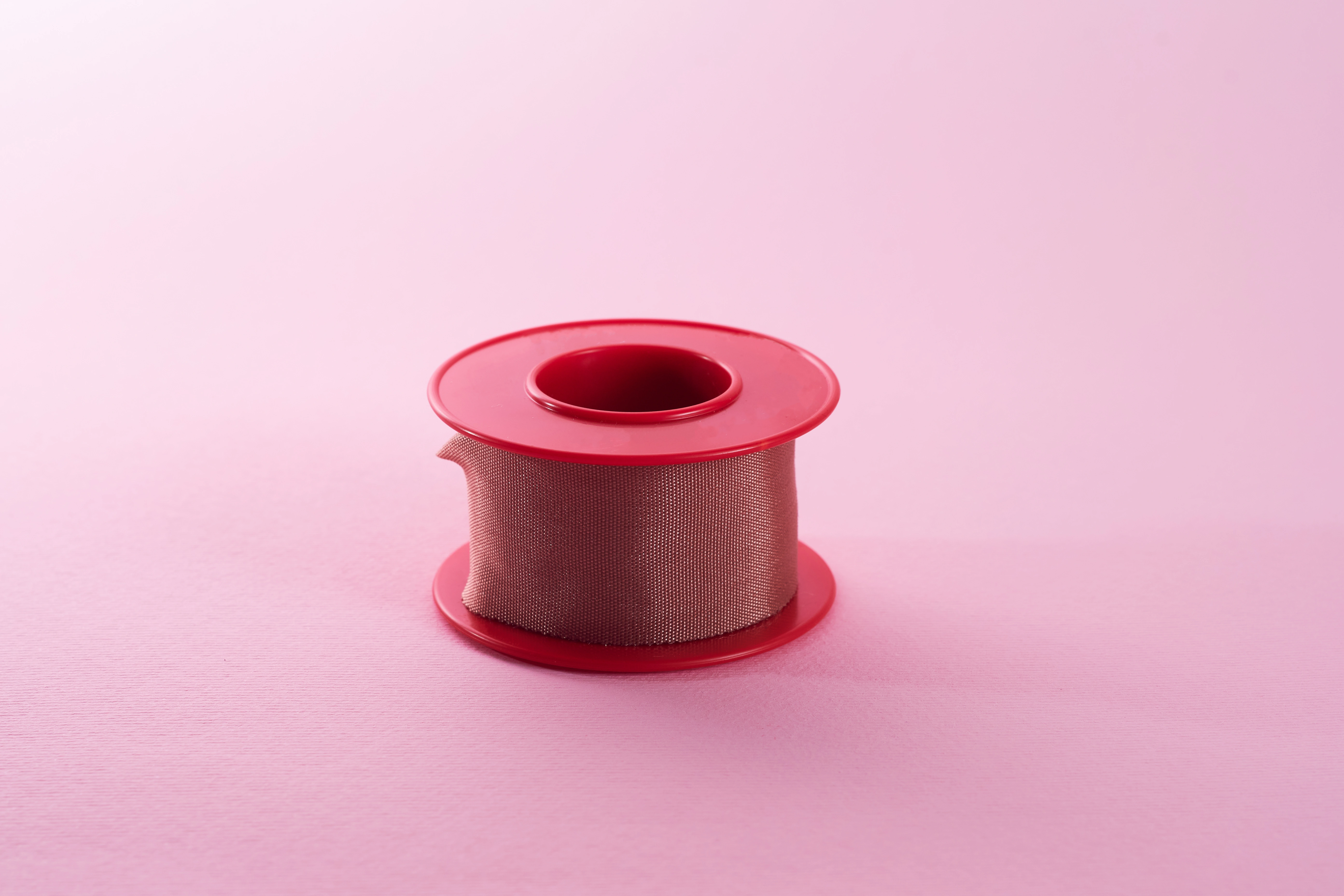
The Secret to Fading Scars After Surgery: Paper Tape
Scar care doesn’t have to be complicated or expensive. One of the most practical and effective options is simple paper tape (such as 3M Micropore). When used consistently, it can help support healing, reduce tension on the incision, and improve the overall appearance of scars over time.
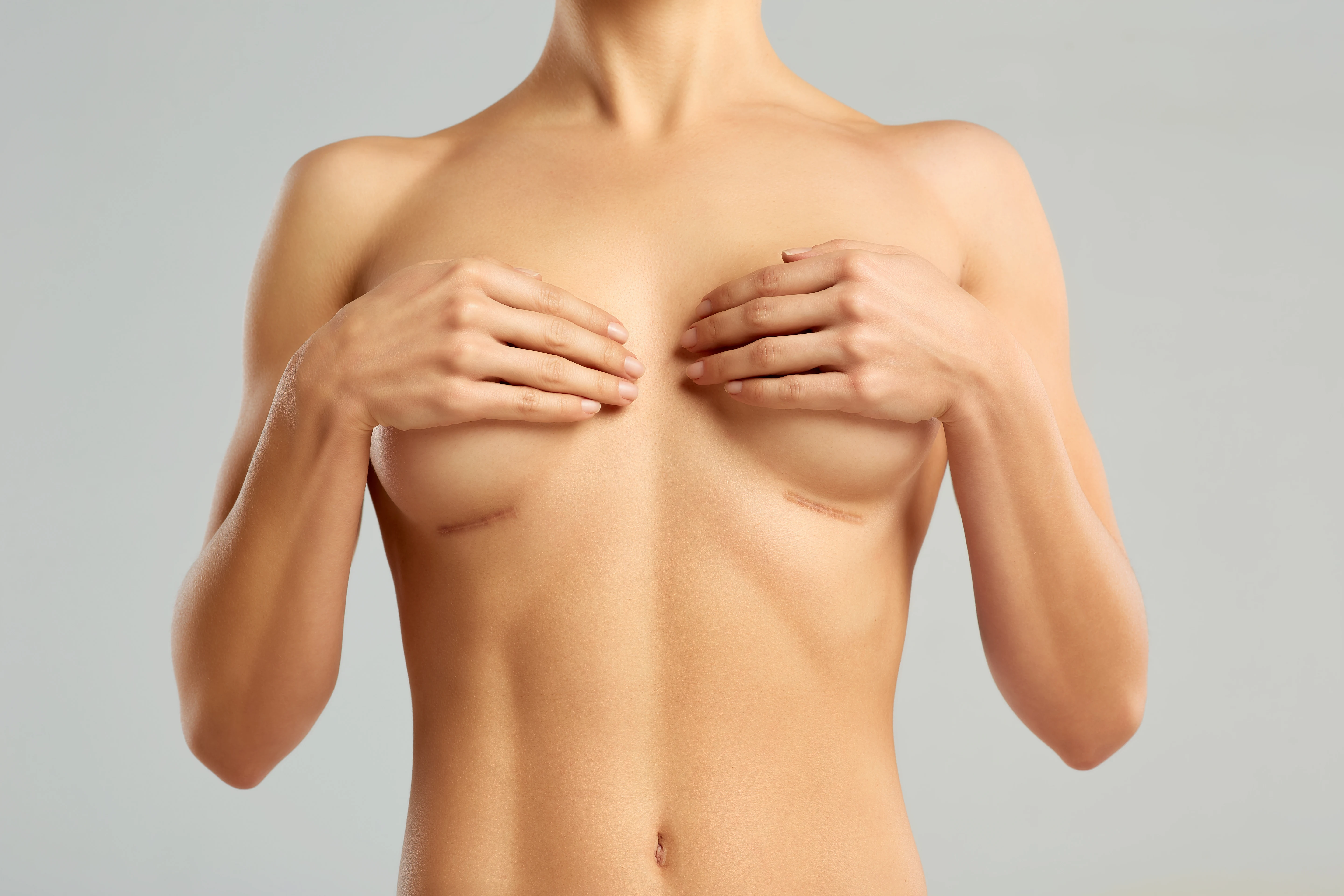
Is Scarless Surgery Possible? Here’s the Truth.
Scarless surgery is a myth — any incision or tissue injury heals with a scar. However, strategic incision placement, meticulous closure, and early scar care can significantly improve how scars fade over time. This article explains how scars form, why fetal wounds heal differently, when scar care can begin, and what realistic healing looks like after cosmetic surgery.
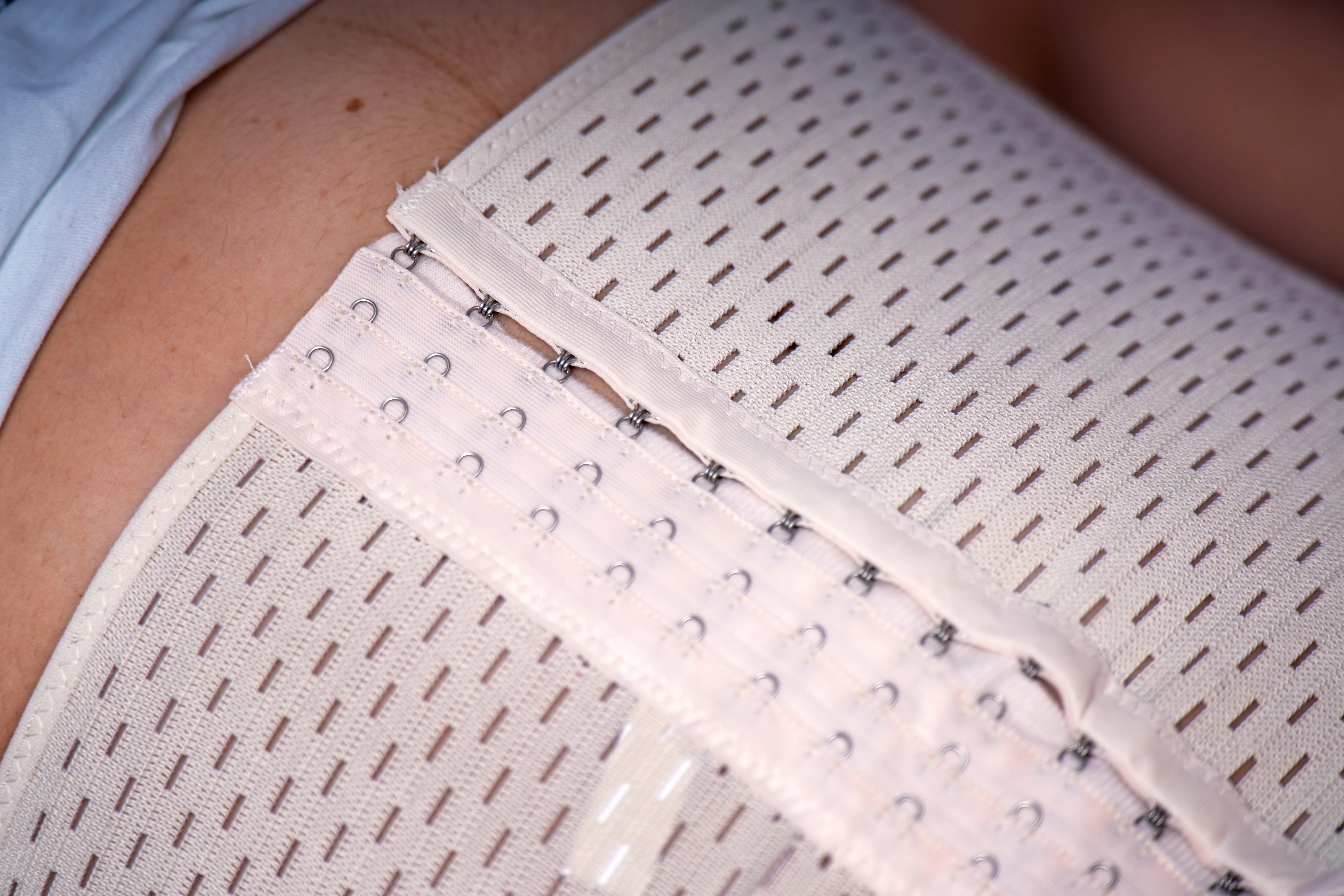
Do You Really Need to Wear a Post-Op Abdominal Binder or Compression Garment?
Wondering if you really need that post-op binder or compression garment? Learn what they actually do, the evidence behind them, how long to wear them, and how to choose one that fits your recovery needs and budget.