
Upper Blepharoplasty: How Much Skin Is Removed?
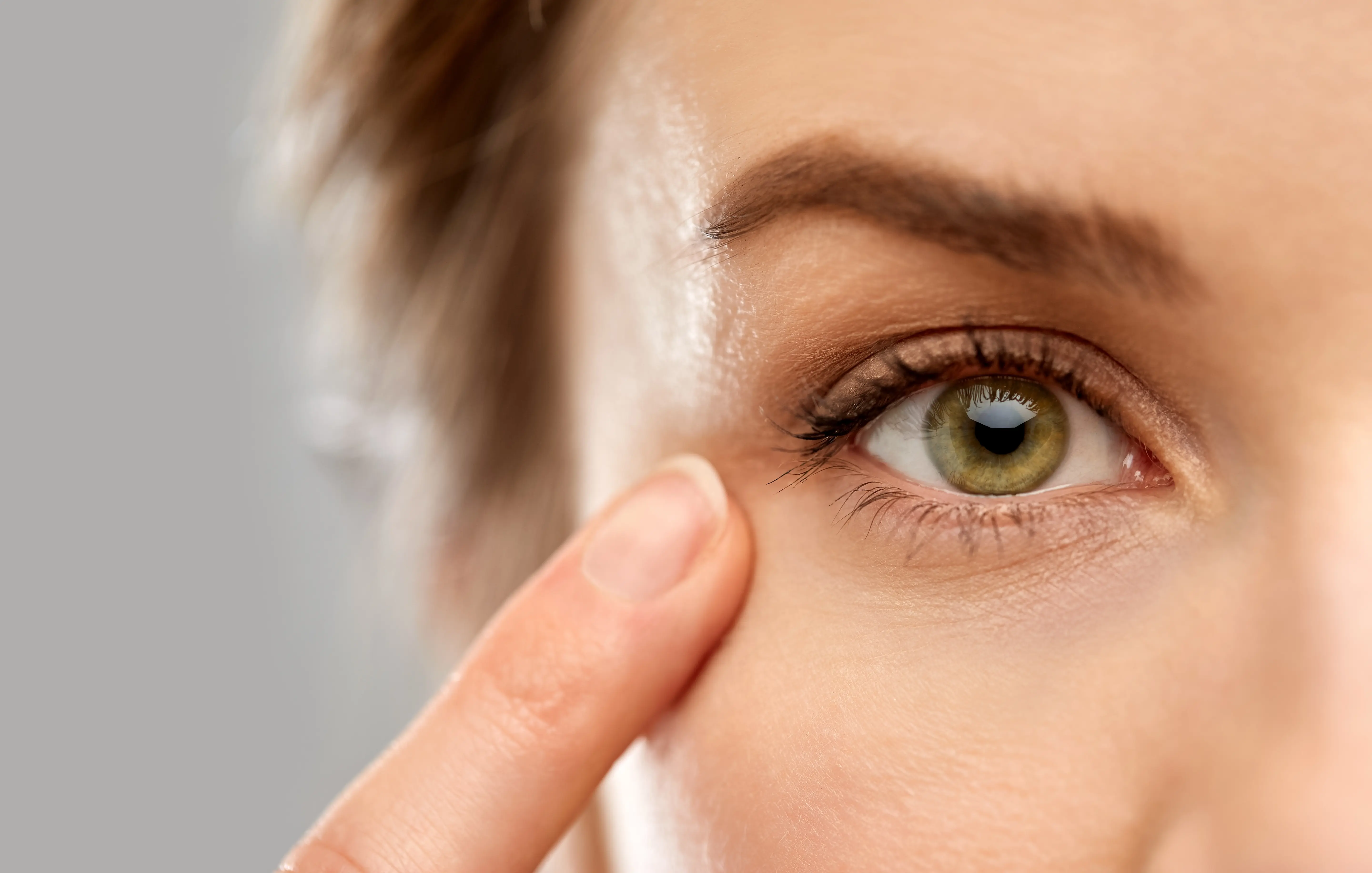
An upper blepharoplasty often removes just a few millimeters of excess skin. That may sound like a small amount, but eyelid skin is thin, and even a narrow fold can cover the crease or interfere with makeup application.
There is no standard amount of skin removed during an upper eyelid lift. The amount depends on the position of the brow, the shape of the eyelid, and how much skin must remain for the eye to close fully.
Here is how I determine what to remove.
Does the Hooding Coming From the Eyelid or the Brow?
Upper eyelid hooding can come from excess eyelid skin, a low eyebrow, or both. I assess this during the consultation so that the best procedure or combination of procedures can be recommended.
A low brow can push tissue onto the upper eyelid, particularly at the outer corner. In some patients, a brow lift may address much of that hooding. In others, the brow sits in an appropriate position, but extra eyelid skin still folds over the crease.
Some patients have both a low brow and excess upper eyelid skin. They may benefit from a combination of procedures.
This distinction matters because removing eyelid skin does not lift the eyebrow. The surgical plan needs to address the source of the hooding.
Where Are the Incisions Placed?
I begin by identifying the crease where the upper eyelid naturally folds. This is called the tarsal crease. Placing the incision within that crease helps conceal the resulting scar when the eye is open.
Crease height varies between patients, so I identify the individual patient’s anatomy rather than use the same measurement for everyone.
I also plan where the incision will end at the inner and outer corners. Near the inner corner, I avoid extending the incision too far inward, where scar webbing can develop.
At the outer corner, I generally angle the marking slightly upward into a natural skin crease. This reflects my approach to planning the scar and the contour of the outer eyelid. I feel that a downturned scar here tends to give the appearance of a sad eye rather than a bright, open eye. Other surgeons may use different marking techniques.
How Do I Decide How Much Skin to Remove?
Once I mark the lower incision along the eyelid crease, I plan the upper boundary of the skin removal.
The tissue between those markings is the skin I intend to remove. That strip is shaped to the eyelid. It is not necessarily the same width from the inner corner to the outer corner as there tends to be more excess skin towards the outside of the eye.
Measurements help guide the plan, but the critical question is how much skin will remain. Enough tissue between the lash line and the brow needs to remain to allow normal eyelid closure.
The Pinch Test Helps Assess Eyelid Closure
To double check that too much skin will not be taken, I gently grasp the planned excess skin with a small tool to simulate its removal. This is commonly called a pinch test and it helps assess the proposed amount of skin removal.
I watch how the eyelid responds. If grasping the skin pulls the eyelid open too much, the proposed removal needs to be reduced.
Removing too much skin can contribute to incomplete eyelid closure, called lagophthalmos. When the eyelids cannot close fully, the eye surface can become exposed, leading to dryness, irritation, and potentially injury to the eye.
Why I Mark the Skin Before Injecting Local Anesthetic
Local anesthetic temporarily expands the tissue and changes its appearance.
I make the surgical markings before that swelling occurs. During surgery, those markings guide the removal even when the injected skin looks fuller than it did during planning.
I also use a protective eye shield during the procedure that looks like a hard contact lens.
Is Fat Removed During An Upper Blepharoplasty?
Some patients have a prominent upper eyelid fat pad particularly in the inside corner in addition to excess skin.
When appropriate, I conservatively reduce that fullness. The goal is to preserve the eyelid’s contour and avoid creating a hollow appearance. Fat removal is individualized, just like skin removal.
When Is There Enough Excess Skin to Consider Surgery?
Patients often describe difficulty applying eye makeup or needing to raise their eyebrows to expose the eyelid.
Anectodally in my practice, I often see those concerns when the amount of skin that could be removed approaches 5 millimeters or more. With smaller amounts, I may recommend waiting, depending on the examination and how much the skin bothers the patient.
*That measurement is an observation from my practice and not a universal threshold for surgery.
An upper blepharoplasty consultation includes assessment of the eyelid skin, brow position, crease, and eye closure. These findings determine how much tissue can be removed and whether another procedure should be considered.
For more information about upper blepharoplasty in Scottsdale, including candidacy, recovery, and what to expect, visit the upper eyelid surgery page.
Victoria Aimé, MD
Board-Certified Plastic Surgeon
Metropolitan Plastic Surgery | Scottsdale, Arizona
Related Articles:
How to Prepare for an Upper Eyelid Lift (Blepharoplasty)→
Understanding Upper Eyelid Rejuvenation: What You Need to Know →
Our surgical and non-surgical treatment options
Ready to start your transformation?
Whether you’re just beginning to explore your options or have specific goals in mind, we’re here to guide you with expertise and compassion.
Read more articles
Upper Blepharoplasty: How Much Skin Is Removed?
How much skin is removed during upper blepharoplasty? Learn how brow position, eyelid anatomy, and complete eye closure guide surgical planning.
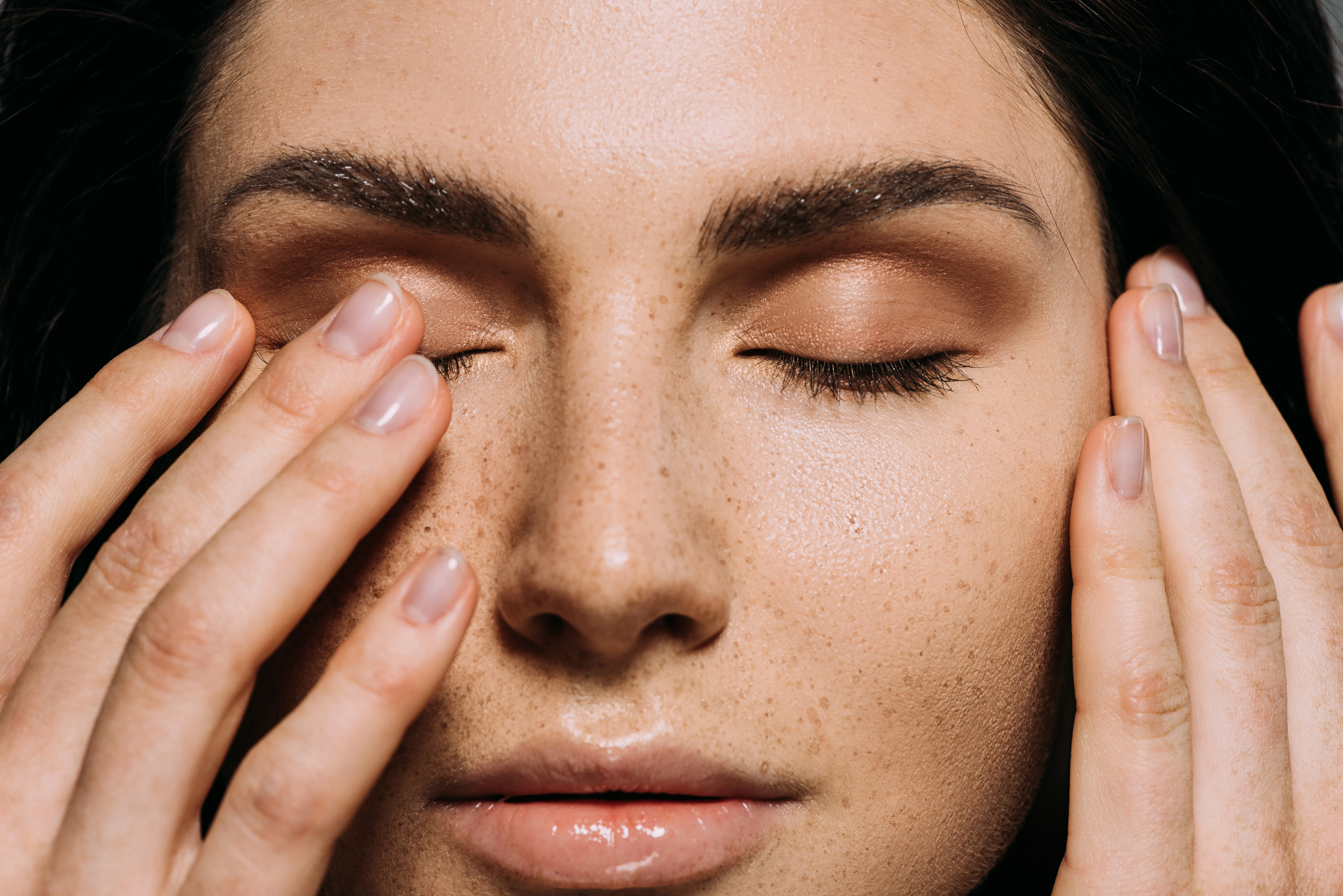
How to Prepare for an Upper Eyelid Lift (Blepharoplasty)
Preparing for upper eyelid blepharoplasty involves understanding candidacy, arranging a driver, removing false lashes, and planning for 1–2 weeks of bruising and swelling. Patients should delay upper lid makeup for about two weeks and contacts for 1–2 weeks depending on healing. Proper preparation leads to a smoother recovery and more predictable outcome.
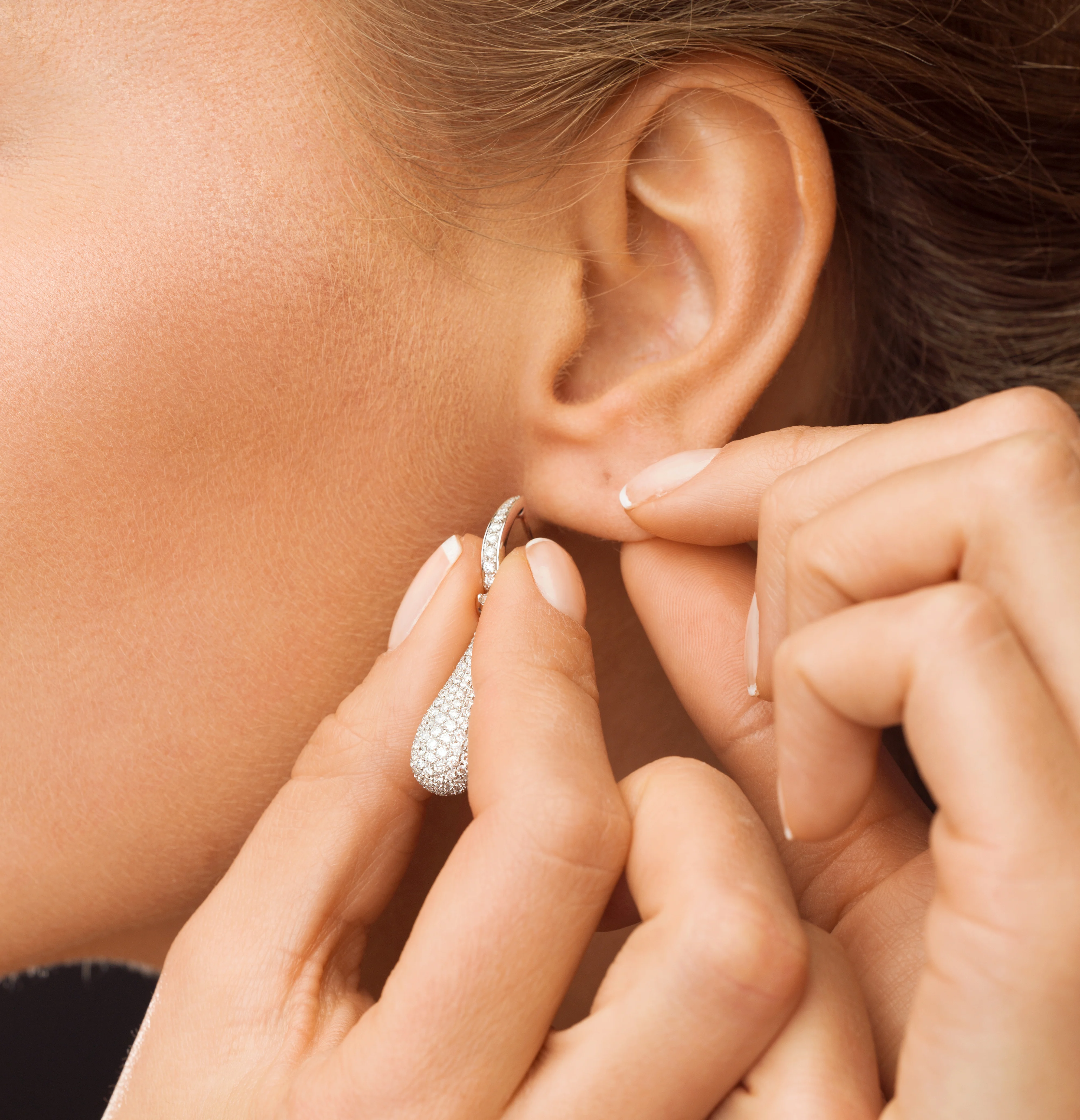
5 Ways to Rejuvenate Your Earlobes and Restore a Youthful Look
Discover 5 simple and effective ways to rejuvenate aging or damaged earlobes—from dermal fillers and fat grafting to surgical repair and pixie ear correction. Subtle changes, big impact.
Understanding Upper Eyelid Rejuvenation: What You Need to Know
Upper eyelid rejuvenation is not one-size-fits-all. At Metropolitan Plastic Surgery, Dr. Victoria Aimé evaluates key features such as brow position, excess eyelid skin or fat, and eyelid muscle function (ptosis) to create a customized surgical plan. Whether it’s an upper blepharoplasty, brow lift, or ptosis repair, each procedure is tailored to restore a refreshed, natural appearance.