
How Your Own Fat Can Improve Your Face, Breasts, Butt, Hands, and More
Introduction
When you hear the word “fat,” you might immediately think of it as something undesirable. But in aesthetic medicine, fat is actually one of the most valuable tools for natural, long-lasting enhancement. At our practice, we see fat not as an enemy, but as a resource for sculpting, rejuvenating, and restoring volume in many areas of the body.
What Is Fat Transfer?
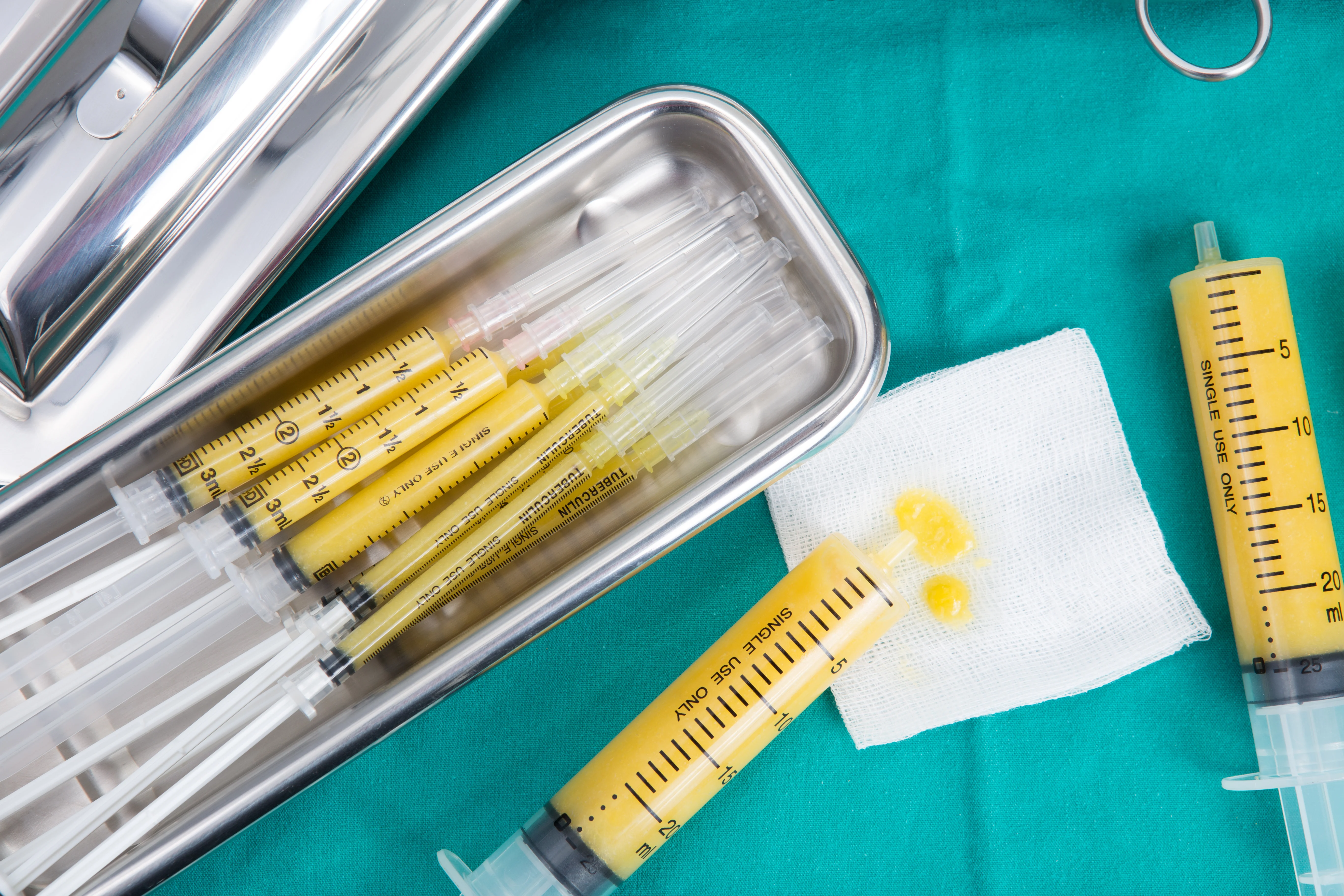
Fat transfer (also called fat grafting or lipofilling) is a procedure in which we gently harvest fat cells from one part of your body—often areas like the abdomen, thighs, or flanks—and carefully inject them into another area that needs volume or rejuvenation.
It’s not just about moving fat around for shaping. Fat cells also contain regenerative stem cells that can help improve skin quality and support healthy tissue.
Where Can Fat Be Used?
Your own fat can be used in many ways to enhance or restore your appearance:
1. Breasts
Fat transfer can provide subtle breast augmentation or restore volume after weight loss or pregnancy. It’s a good choice for those seeking natural-looking enhancement without implants.
2. Butt
Also known as a Brazilian Butt Lift (BBL), this use of fat transfer sculpts the waist or thighs (where fat is taken) and adds volume to the buttocks for a rounder, more defined shape.
3. Face
Facial fat grafting can restore youthful contours lost to aging, soften deep lines, or fill hollow areas such as the cheeks or under-eyes. Unlike temporary fillers, transferred fat can be a long-lasting solution.
4. Hands
Aging hands often lose volume and look bony or veiny. Fat grafting to the hands restores softness and a more youthful appearance, complementing other hand rejuvenation treatments.
Why Choose Fat Transfer?
- Natural material: Your own fat cells mean no risk of allergic reaction or implant complications.
- Dual benefit: Slim and sculpt the donor area while enhancing the target area.
- Regenerative effects: Stem cells in fat can help improve skin tone and texture over time.
- Long-lasting results: While some fat is reabsorbed by the body, the remaining grafted fat typically survives long-term.
Is Fat Transfer Right for You?
Fat transfer is ideal if you have enough donor fat and want natural, subtle volume restoration. During your consultation, we’ll discuss your goals and help you decide if this technique is the best fit for you.
Ready to Learn More?
If you’re curious about using your own fat to improve your face, breasts, butt, or hands, we invite you to schedule a personal consultation. Together, we’ll create a customized plan to help you achieve the look you want—naturally. Wondering whether you have enough donor fat? Learn more about how we determine whether you have enough fat for a fat transfer.
Victoria Aimé, MD
Board-Certified Plastic Surgeon
Metropolitan Plastic Surgery | Scottsdale, Arizona
Related Articles:
Do You Have Enough Fat for a Fat Transfer? →
Recovery After Breast Fat Transfer: What You Should Know →
Our surgical and non-surgical treatment options
Ready to start your transformation?
Whether you’re just beginning to explore your options or have specific goals in mind, we’re here to guide you with expertise and compassion.

Read more articles

How Is the Belly Button “Remade” During a Tummy Tuck?
During a tummy tuck, the belly button is not recreated — it is repositioned. This article explains how the umbilicus is preserved, how its new position is determined, why surgical technique matters, and what to expect during healing.
Do You Have Enough Fat for a Fat Transfer?
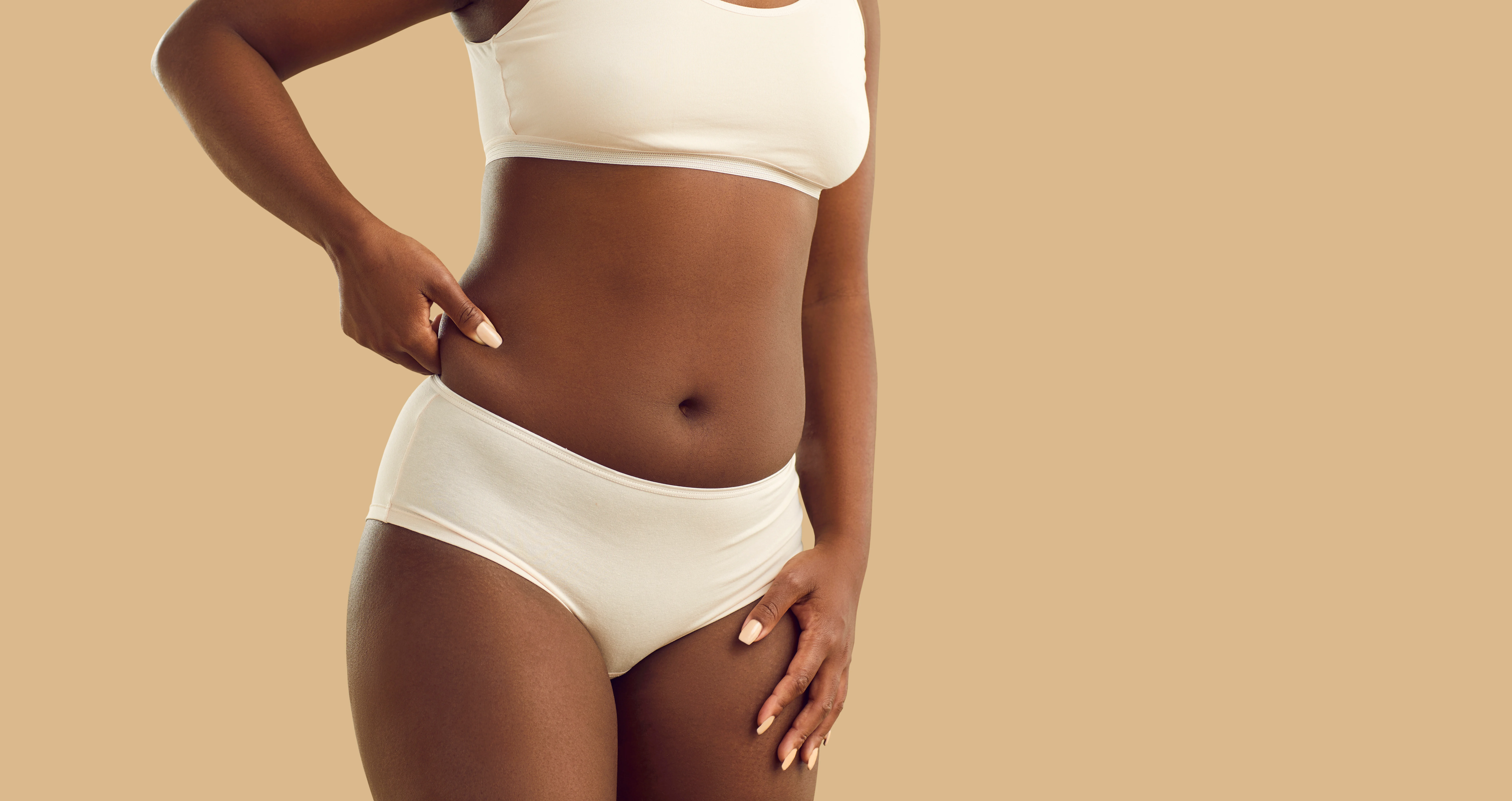
Many patients worry they don’t have enough fat for a fat transfer—especially if they’re naturally thin or very fit. In reality, fat transfer candidacy depends more on proportion, surgical planning, and treatment goals than body weight alone. This article explains how surgeons evaluate donor fat, common areas used for fat harvesting, and why even lean patients are often good candidates for fat grafting with the right approach and expectations.

How a Tummy Tuck Can Restore Core Strength
Many people think of a tummy tuck as a cosmetic procedure, but for some patients it can also improve how the core functions. Pregnancy can stretch and separate the abdominal muscles, making it difficult to regain strength, support the back, or engage the core effectively—even with exercise. By repairing diastasis recti and restoring the abdominal wall, a tummy tuck can improve core stability and posture. Studies show this structural repair may help reduce back strain and, in some postpartum patients, improve pelvic floor support and urinary control. While surgery does not replace exercise or physical therapy, it can correct the underlying anatomy so strengthening efforts finally work as intended.

How to Prevent Pneumonia After a Tummy Tuck: Why I Give Every Patient an Incentive Spirometer
Pneumonia is a preventable but real risk after tummy tuck surgery. In this post, Dr. Victoria Aimé explains how and why she gives every patient an incentive spirometer to support healthy breathing and reduce complications during recovery.