
Are Lymphatic Massages Necessary After Tummy Tuck or Liposuction?
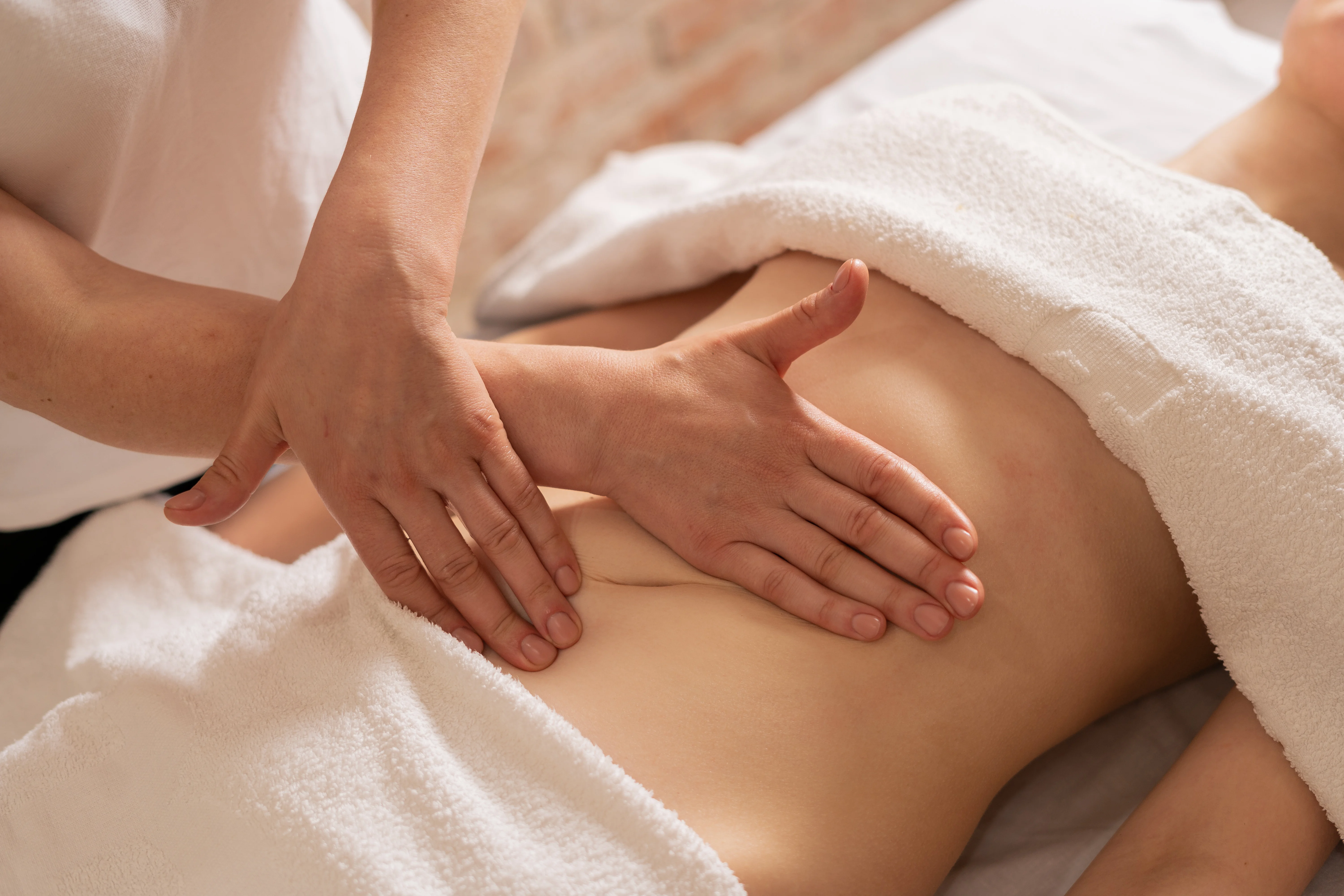
Patients recovering from liposuction or tummy tuck procedures often hear recommendations—sometimes strong ones—about getting lymphatic drainage massages during recovery. But are they truly necessary for healing or results?
Let’s talk about what the research (and experience) actually supports—and what you should know before booking one.
What Is a Lymphatic Massage?
A lymphatic massage is a manual technique designed to stimulate the body’s lymphatic system, which plays a role in fluid balance and immune health. In the post-surgical world, these massages are often marketed as a way to:
- Reduce post-op swelling
- Speed up healing
- Improve comfort
- Prevent complications like seromas (fluid build-up)
While that sounds appealing, it’s important to separate marketing claims from medical evidence.
What I Recommend in My Practice
As a plastic surgeon, I do not require lymphatic massages after tummy tucks or liposuction.
There is no long-term data showing that lymphatic massage leads to better results or fewer complications in the weeks or months following surgery . That doesn’t mean they’re harmful when performed correctly—but it does mean they’re not essential to a safe, successful recovery.
Your body already has a built-in lymphatic system that is fully capable of clearing post-operative swelling over time.
Can Lymphatic Massage Be Helpful?
Yes, it can be helpful—particularly for reducing discomfort and swelling in the short term. Some patients report:
- Less tightness or pressure around the treated area
- A more “relieved” feeling after sessions
- Faster visible reduction in puffiness
But these effects are temporary and optional, not required for a good outcome. It’s completely fine to skip lymphatic massage and let your body recover naturally if you prefer .
Important Warnings for Patients
If you do choose to pursue lymphatic massage:
- Go to a reputable provider—ideally someone your surgeon recommends or is familiar with.
- Avoid “quick-fix” spas that rely solely on vibration machines with no hands-on therapy.
- Never let anyone insert a needle or drain fluid manually at a massage center. That is a medical procedure and should only be done by your board-certified surgeon. I’ve seen serious infections result from this kind of unlicensed treatment .
What to Expect if You Skip It
- Your body will still naturally mobilize excess fluid into your lymphatic system over time.
- Swelling will improve steadily over the first few weeks.
- You’ll still heal fully, even without manual drainage assistance.
Just remember: lymphatic massage is a luxury, not a requirement. It’s completely okay to opt out—especially considering the cost and time commitment involved.
Bottom Line
Lymphatic massages may offer short-term comfort, but they are not necessary for healing after liposuction or tummy tuck procedures. If you’re considering it, speak to your surgeon first and make sure your provider is reputable and safe.
Have questions about what to expect after surgery or how to support your recovery? I’m always happy to help guide you.
—
Dr. Victoria Aimé, Plastic Surgeon | Metropolitan Plastic Surgery, Scottsdale, AZ
Our surgical and non-surgical treatment options
Ready to start your transformation?
Whether you’re just beginning to explore your options or have specific goals in mind, we’re here to guide you with expertise and compassion.

Read more articles

How Is the Belly Button “Remade” During a Tummy Tuck?
During a tummy tuck, the belly button is not recreated — it is repositioned. This article explains how the umbilicus is preserved, how its new position is determined, why surgical technique matters, and what to expect during healing.

Do You Have Enough Fat for a Fat Transfer?
Many patients worry they don’t have enough fat for a fat transfer—especially if they’re naturally thin or very fit. In reality, fat transfer candidacy depends more on proportion, surgical planning, and treatment goals than body weight alone. This article explains how surgeons evaluate donor fat, common areas used for fat harvesting, and why even lean patients are often good candidates for fat grafting with the right approach and expectations.

How a Tummy Tuck Can Restore Core Strength
Many people think of a tummy tuck as a cosmetic procedure, but for some patients it can also improve how the core functions. Pregnancy can stretch and separate the abdominal muscles, making it difficult to regain strength, support the back, or engage the core effectively—even with exercise. By repairing diastasis recti and restoring the abdominal wall, a tummy tuck can improve core stability and posture. Studies show this structural repair may help reduce back strain and, in some postpartum patients, improve pelvic floor support and urinary control. While surgery does not replace exercise or physical therapy, it can correct the underlying anatomy so strengthening efforts finally work as intended.

How to Prevent Pneumonia After a Tummy Tuck: Why I Give Every Patient an Incentive Spirometer
Pneumonia is a preventable but real risk after tummy tuck surgery. In this post, Dr. Victoria Aimé explains how and why she gives every patient an incentive spirometer to support healthy breathing and reduce complications during recovery.